Mental Health Association notes growth, promotions, and new logo
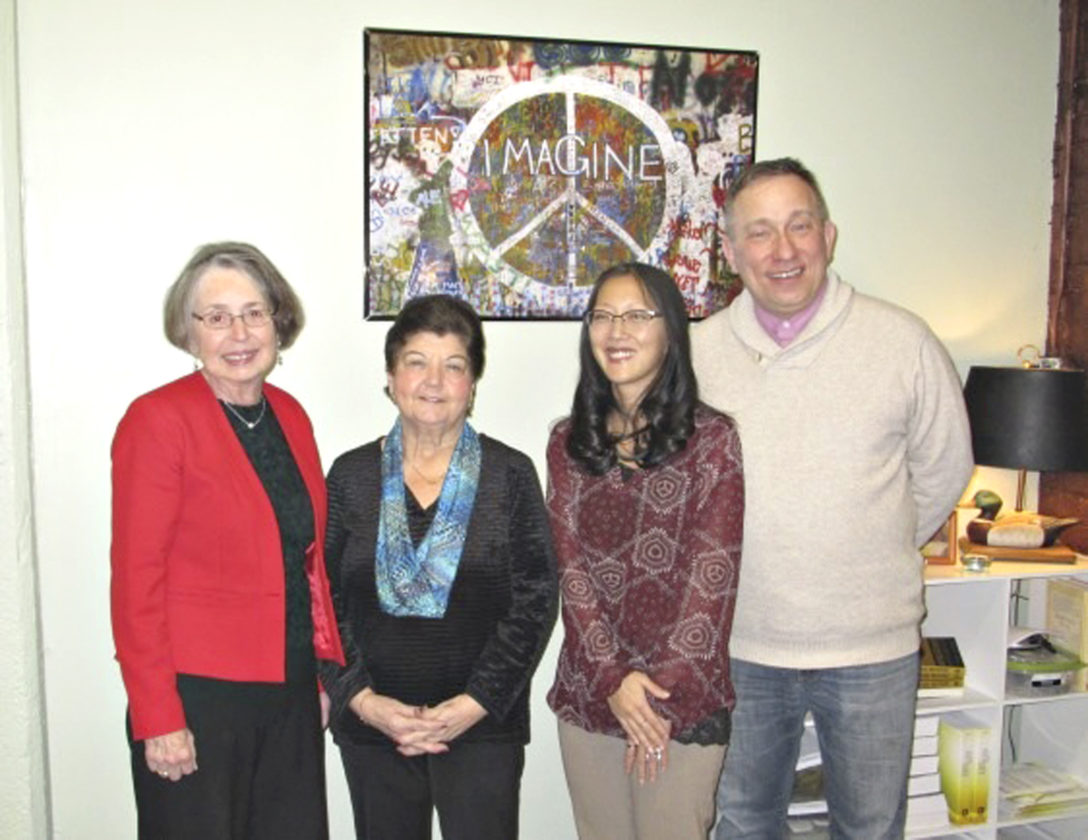
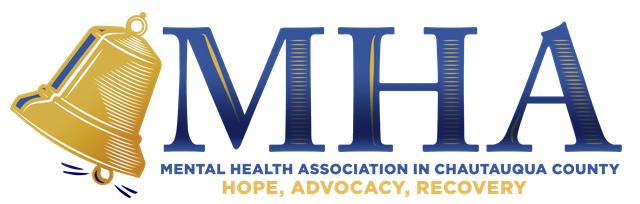
Submitted Photos Key figures at the Mental Health Association in Chautauqua County met recently in the sensory room. Pictured at top are Dr. Lillian Vitanza Ney, chair of the MHA Advisory Board; Carm Micciche, board president; Kia Narraway-Briggs, executive director; Steven Cobb, associate director. Missing from the picture because he was in Albany is Rick Huber, director of New Program Development. Pictured above: With a bell being the historic symbol of the mental health movement and freedom from the stigma of mental health diagnosis, it has been incorporated into the MHA’s new logo, as pictured.
JAMESTOWN — When your numbers double in a year, you must be doing something right. And you probably need to make some adjustments to accommodate your growth.
The Mental Health Association in Chautauqua County is a peer-run organization staffed by trained recovery coaches who are themselves recovering from mental health diagnosis and/or substance abuse. For those battling addiction, the availability of peer support can mean the difference between overcoming the addiction, relapsing and possibly even death.
In 2016 the MHA recorded 15,337 daily visits — almost double the 7,714 recorded just a year earlier.
In keeping with this growth, the organization has advanced key staff and unveiled a new logo.
Dr. Lillian Vitanza Ney, chair of the MHA Advisory Board, announced, “The Mental Health Association Advisory Board joins the chorus of those congratulating Kia Narraway-Briggs on her appointment as the new Executive Director of the Mental Health Association. Kia is the perfect choice for this position. She is known for her abilities as an excellent leader, administrator, advocate and peer recovery coach all in one. Her calm and steady approach are so important as the MHA continues to carry out its mission during a time of considerable community need. Our Advisory Board is proud of Kia’s accomplishments and looks forward to working with her in this new capacity.”
MHA Board President Carm Micciche said, “I am pleased to announce Steven Cobb as our new Associate Director. Steven has shown great dedication to the MHA and the recovery movement. He became employed at the MHA in 2012 and the board feels that he is a great motivational speaker and has all the qualities to compliment the new administration team.”
With his increasing involvement in securing grants, making trips to Albany, and advocating for the organization, Rick Huber’s title has been upgraded to Director of New Program Development. His new title has him focusing on program viability and sustainability.
Of her new position, Narraway-Briggs said, “I am excited to work as a team to move forward in the peer movement and to continue to collaborate with outside agencies to better serve our participants and the community.”
Narraway-Briggs was also eager to share the new logo approved by the board. Created by Sara Corsi Staley of Wax Lily Design, it incorporates a bell, the historic symbol of the mental health movement and freedom from stigma of mental health diagnosis.
Sixteen people in the city of Jamestown died last March as a result of drug addiction. Narraway-Briggs said that deaths from substance abuse are down from earlier last year, possibly because more professionals — including volunteer fire departments, police and sheriff departments, and EMTs — have been trained in the use of Narcan.
“We would love to work ourselves out of a job, but we don’t see that happening,” Narraway-Briggs said. While Narcan can reverse the effects of drug overdose and prevent so many deaths, there may be more actual overdoes now as well as possible suicides. “We don’t turn people away. A week can be too long to wait if you are ready for treatment or suicidal. As long as someone wants help, we will find help for them.”
Referrals to the Mental Health Association come from treatment courts, community resources, local churches and non-profits, as well as the individual themselves or their family members.
The MHA currently employs nine full-time recovery coaches, including one Latino, to provide help and support to the men and women in their program. Recovery coaches work with individuals to set self-sufficient goals that they wish to accomplish. For many, those goals may include continuing their education, obtaining and maintaining employment, securing permanent housing and increasing visitation with their children or regaining custody.
The Mental Health Association also offers more than two dozen peer support groups. At these weekly meetings, participants come in and talk with others across a wide range of concerns.
To learn more about the Mental Health Association and its programs, call 661-9044 or visit www.mhachautauqua.org or www.facebook.com/MHAChautauqua. All services and programs are offered free of charge.
-
- Submitted Photos Key figures at the Mental Health Association in Chautauqua County met recently in the sensory room. Pictured at top are Dr. Lillian Vitanza Ney, chair of the MHA Advisory Board; Carm Micciche, board president; Kia Narraway-Briggs, executive director; Steven Cobb, associate director. Missing from the picture because he was in Albany is Rick Huber, director of New Program Development. Pictured above: With a bell being the historic symbol of the mental health movement and freedom from the stigma of mental health diagnosis, it has been incorporated into the MHA’s new logo, as pictured.