
Shakespeare Club notes ‘Music’ discussion

Cheryll Rogers
President Joan Larson opened the third regular meeting of the 2023-24 Shakespeare Club on Nov. 2 at Barlow’s Mill hosted by Sharon Klug with 15 members in attendance. Secretary Lisa Mertz called the roll, followed by the minutes from the October 26th meeting, which were approved as written. Cheryll Rogers reported no change in the treasury.
Rogers presented her paper entitled “Music is the Fabric of Our Lives”:
What is music? Music is the deliberate organization of sounds by people for other people to hear. In general, music is a combination of five elements: form; harmony; melody; rhythm, and expressive content
Music can elicit both emotional and physical responses in the listener, and music impacts each of us on a daily basis. Music touches us emotionally, where words alone cannot. The brain has two hemispheres, with language processed in the left hemisphere and melody processed primarily in the right. Rhythm is processed by both the left and right sides of the brain, meaning when you are listening to a song that contains language, melody, and rhythm, both sides of your brain are engaged.
Music has a way of softening our resistance and opening our hearts before we even realize it. Melody adds an extra layer of meaning to the lyrics, which makes a song especially powerful in eliciting the listener’s response. Songs double down by using the power of words to communicate along with the power of melody to communicate emotions and feelings beyond words.
Music acts as a kind of soundtrack, or fabric, for our lives. Studies have shown that music predates birth in our human experience. At 17 – 19 weeks gestation, a fetus can hear the rhythm of blood rushing through the uterine artery, in which there are elements of rhythm and harmony.
Music ignites all areas of child development and skills for school readiness, including intellectual, social-emotional, motor, language, and overall literacy. It helps the body and the mind work together. Exposing children to music during early development helps them learn the sounds and meanings of words. Dancing to music helps children build motor skills while allowing them to practice self-expression. For children and adults, music helps strengthen memory skills.
Music can help improve the quality of life in people with chronic illnesses. It has been demonstrated that for patients undergoing radiation therapy simulation, music therapy lowers anxiety and stress. Studies have shown the potential benefits of music therapy as a complementary treatment option for individuals with Alzheimer’s disease and dementia. For years, music therapy has been used to help manage symptoms of dementia, and music therapy can improve mood, cognitive functions, memory, and provide a sense of connection and socialization for patients who may be isolated.
“If you watched the last concert with Tony Bennett and Lady Gaga, you would understand how music can connect people to themselves. Mr. Bennett’s diagnosis of Alzheimer’s disease was well known, but you would not have guessed that watching him in concert,” Rogers said.
“Music has value because we take it into ourselves. No one else has lived your life. As you listen to a song, you hear it through the paradigm of your own lived experiences. The break-up memory it evokes – that’s your break-up. That summer day at the beach – that’s your summer day at the beach. The song becomes yours because you listen with your own heart, your own memories, and you have an individual experience based on your own imagination.”
Following the presentation, club members partook of Sharon Klug’s lavish and delicious treats. Karin Seager Cockram poured the tea.
Sunday Lifestyles

Get A Look At The Red-Tailed Hawk
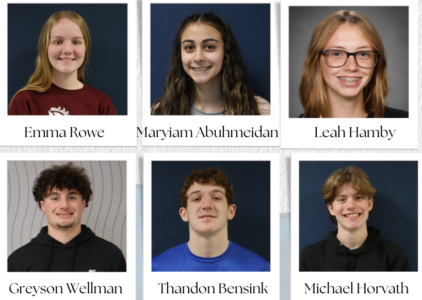
CLCS announces January Students of the Month
Attacking the fears that bring paralysis to individuals
Last month I wrote about loneliness, and gave the reader options about managing it. If you have never thought about ...
What we have is a failure to communicate
I have a friend who is an unabashed Trump supporter. When I asked him what he thought of Trump’s State of the ...
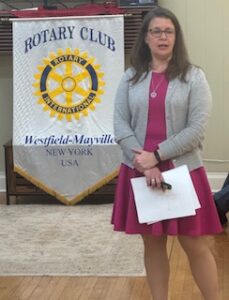
Jackson Center is Rotary topic
Americans still allowed to disagree with president
The topics I write about that seem to get the most response from readers have to do with dogs or politics. I’m ...