
County libraries receive funding for construction
ALBANY – State Sen. George Borrello announced that 17 libraries across the 57th Senate District were awarded $890,283 in New York State Public Library Construction Grants to assist with renovation and construction projects.
“Our libraries are critical to the growth and success of our communities. Library budgets are stretched thin. This funding will help our libraries update their facilities and cut costs for local taxpayers,” Borrello said.
The awards are from $34 million in capital funds allocated by the Legislature for public library construction and renovations as part of the 2022-23 state budget.
“As information hubs, libraries are invaluable. During the pandemic, when schools and agencies closed down, libraries helped school students and adults with WiFi and provided information they needed to navigate the crisis,” Borrello said. “The volunteers and staff at our libraries provide wonderful programs and services people need and deserve. This funding will help modernize facilities and increase accessibility so libraries can better serve their patrons.”
Area libraries in Borrello’s district awarded funding from the New York State Library Construction Fund include:
¯ Ashville Free Library, $10,202 to renovate the library restroom.
¯ Dunkirk Public Library, $123,345 to repair masonry and improve electrical, lighting and HVAC systems.
¯ Falconer Public Library, $14,042 to replace the front door for handicapped accessibility, install a book return slot and replace glass panels.
¯ Fluvanna Free Library, $75,788 to build a new ADA compliant vestibule/entrance.
¯ Hazeltine Public Library in Jamestown, $8,306 to install ADA compliant doors.
¯ James Prendergast Free Library in Jamestown, $35,044 to add LED lighting, acoustic panels and updated the library’s Markerspace.
¯ Patterson Library in Westfield, $125,690 to updated the library kitchen and waterproof marble and brick.
There are more than 1,000 public libraries in New York state. More than half of those libraries were built 60 or more years ago. Many are unable to accommodate users with disabilities, are energy inefficient and cannot provide internet and computer technology to patrons because of outdated electrical wiring.
Local/Region
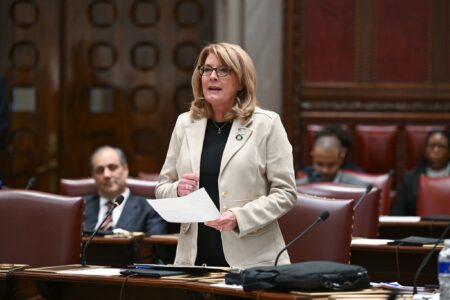
Local lawmakers back Rural Suicide Prevention Council
City parking changes start this weekend
With the following changes, spring and summer parking regulations will take effect for alternate and overnight ...

UPMC Chautauqua hosts training sessions for rare birth emergencies
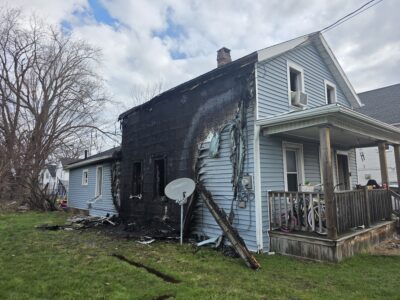
UPDATE: City fire blamed on malfunctioning electric cable
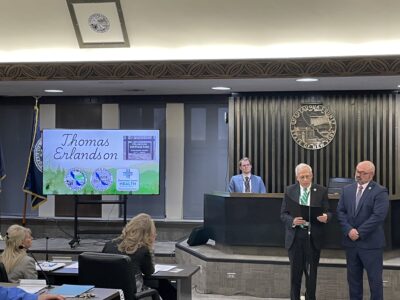
Thomas Erlandson honored by Chautauqua County leaders
Brush pickup another thorn in city’s side
Unhappiness about Dunkirk’s brush pickup situation was a notable topic at the most recent Common Council ...