Local World War II veteran remembered by family
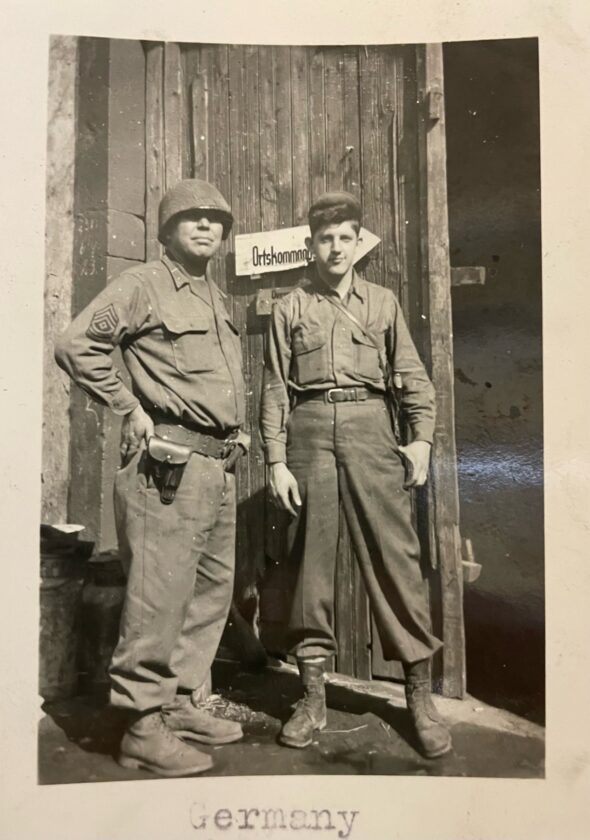
Submitted Photos John Walter Ludwiczak is pictured with a fellow soldier during his time in Germany.
-
- Submitted Photos John Walter Ludwiczak is pictured with a fellow soldier during his time in Germany.
-
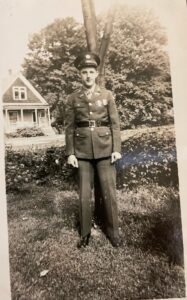
- John Ludwiczak, who was drafted into WWII at the age of 17, serving until 1945.
-
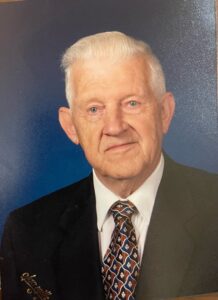
- The most recent photo of John Ludwiczak. He passed away on Nov. 3, 2023 at the age of 99.
Born on Sept. 7, 1924, in Jamestown, Ludwiczak passed away on Nov. 3 at the age of 99.
He was drafted for WWII at the age of 17, and was the fourth in line out of seven siblings.
Ludwiczak entered active service on March 17, 1943, until his separation on Nov. 3, 1945.
He was a part of the Company F 43rd Cavalry Reconnaissance Squadron and a Rank Technician in the Fourth Grade.
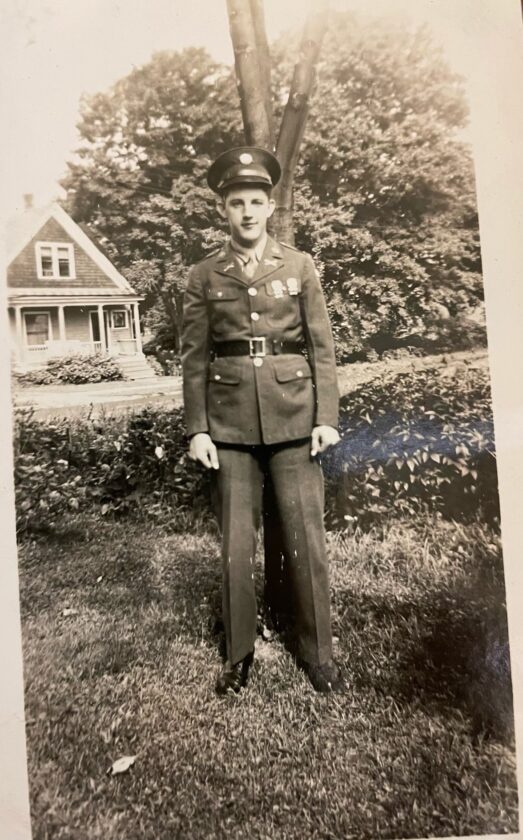
John Ludwiczak, who was drafted into WWII at the age of 17, serving until 1945.
Ludwiczak spent his time in the service doing 10 months of Cavalry Basic Training; five months as a cook’s helper; 12 months as a cook; and eight months as a light machine gunner. He was awarded four medals for his service: the American Theater Campaign Medal, which includes Continental America territory; the European African Middle Eastern Campaign Medal with four bronze stars — northern France, Ardennes, Rhineland, and Central Europe; the Good Conduct Medal; and the WWII Victory Medal, which was issued in Jamestown.
Ludwiczak’s brothers also served in the Army.
One of Ludwiczak’s three children, JoAnn Bardo speaking on behalf of the family, said her father was always one to tell stories about his time in the service.
“Whether you called him John or Wally, you were sure to have heard a story or two about his time in the service,” Bardo said.
One such story was about his squadron taking part in the liberation of a concentration camp in Ebensee, Austria on May 5, 1945.
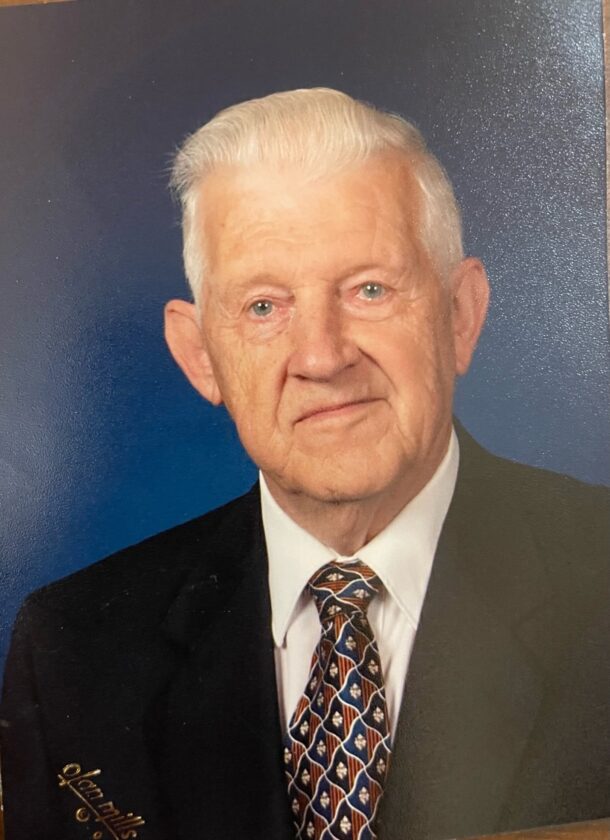
The most recent photo of John Ludwiczak. He passed away on Nov. 3, 2023 at the age of 99.
Ludwiczak’s squadron entered the town, and Bardo said the concentration camp was on the edge of the town with 16,000 prisoners who were dying at a rate of 300 to 400 per day.
“The captain ordered the three bakeries in the town to stop selling to the locals and bake bread 24/7 to feed the men,” Bardo said. “Medical help arrived, along with rations, in three days. The squadron stayed on for three weeks.
One story our dad tells is about a young prisoner who staggered up to him, asking for a cigarette. After two puffs of a Lucky Strike, he passed out.”
Another story Bardo was told had to do with her father’s service payments and his return home.
“Our dad’s mother passed away at the age of 40,” Bardo said. “In the service, he was paid by check and the checks were sent home.
He would tell his sister, who was raising the family, to use the money for what they needed. His dad worked at Weber Knapp until his retirement. When dad returned home, he found out his sister had saved all his checks in the bank. Dad ordered a new car, a 1946 oldsmobile, automatic with white walls for $1,853 and it took a year to get it.”
Bardo and her siblings have their own special memories of their father. Bardo said Ludwiczak would enjoy hearing Kate Smith singing “God Bless America” on the Ed Sullivan show. Ludwiczak always supported the local legions, and the family would go to the American Legion in Celoron for Friday fish frys. Bardo said that if someone was coming to visit they knew to bring him a cup of Tim Hortons coffee.
Another memory that Bardo and her siblings have is of her parents going to Army reunions.
“A special memory we have is every fall for a long weekend, our parents would attend the Army reunion,” Bardo said. “Our mom would shop for new outfits and dad for the right shirts and ties to match his suits. Mostly they were held in Buffalo, Rochester, Syracuse, Detroit, Chicago. They attended 40 out of 59.”
The children also got to know Ludwiczak’s army friends through his stories, pictures and talking to them on the phone.
Bardo said they always remained very close friends that enjoyed being together.
Bardo added that her father’s time in the service was one he did not regret or accept praise for.
“Our dad, along with thousands of others, sacrificed their youth, family time and personal health and well being without regret,” Bardo said. “He was a humble man and never looked for praise for his service. He learned the value of true friendships with fellow patriots who were part of our lives long after the war ended.
He risked his life to protect the freedom and liberties of the citizens of the United States.”
Local/Region
Gowanda Central School District $44.5M project approved by voters

Former Buffalo Bills tight end to host bowling fundraiser in Jamestown on Saturday
Dunkirk Seniors planning Dec. 20 Cookie Walk
Coming up …
THURSDAY, DEC. 11 Thursday Knitting Group Trinity Episcopal Church, 11 Day St., Fredonia, 9:15 to 11:30 a.m. ...
Silver Creek, Hanover eye 250th birthday of U.S.
SILVER CREEK — Hanover town Supervisor Lou Pelletter spoke to the Village Board about potential festivities to ...