
Limits on AI in real estate photos introduced
Trending
A state lawmaker wants to warn house hunters that the photos they see on a realtor's website may be altered to make the home look better than it actually is.
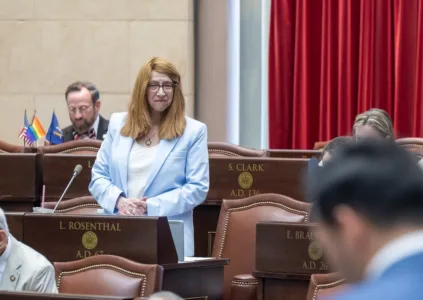
Assemblywoman Linda Rosenthal, D-New York City, has introduced legislation (A.11635) that would amend the real property law, in relation to requiring the disclosure of digitally altered images in an advertisement or other promotional material for the sale or lease of real property. The bill could be discussed when the state Legislature begins its 2027 session in January.
"Online real estate platforms have increasingly turned to artificial intelligence tools and other photo editing software to alter the appearance of houses, apartments and other properties listed for sale. The modifications can be as minimal as changing the colors of the walls or the home’s furnishings to more extreme changes like replacing the lawn or adding landscaping that does not exist. While the tools can enhance the curb appeal of a home and drive more potential buyers to view the space, the changes may also give viewers a false impression," Rosenthal wrote in her legislative justification.
According to a story on the National Association of Realtors’ Realtor News site, the National Association of Realtors ' Code of Ethics requires its members to "refrain from exaggerating, misrepresenting or concealing pertinent facts" of a property and to present a "true picture" in advertising and marketing. It is suggested agents carefully review all marketing and property images prior to publication to ensure these accurately depict the home. The realtors' website said some state regulators and multiple listing services are developing standards for use of AI-altered photos in real estate photography, with a focus on photo edits that attempt to hide defects, alter permanent features or materially change a property's appearance.
Rosenthal's bill doesn't include fines for realtors that don't comply. There would be no disclosure needed for basic photo editing, like adjusting lighting, sharpening, changing the white balance, color correction, changing a photo's angle, straightening, cropping, changing the exposure or other common photo editing adjustments that do not change the conditions of the real property. Instead, Rosenthal is taking aim at realtors who use AI to add, remove or change elements of the real property offered for sale or lease in the image, including, but not limited to, furniture, appliances, flooring, and walls.
"Consumers looking to rent or buy a home deserve a clear understanding of the current condition of the home or the property, not simply its potential," Rosenthal wrote. "This legislation will bring much-needed transparency to the process by requiring that a disclosure be made on any online listings that have been altered beyond typical photo editing. If altered photos are used in the listing, the broker or salesperson must also provide a link to the original photos for comparison."
Earlier this year, legislation passed in 2025 took effect in New York requiring any advertisements in New York that feature artificial intelligence-generated people in place of actors will now be violating state law if they don't clearly label that they have used a "synthetic performer."
Synthetic performers are defined under state law as "digitally-created media that appear as a real person." The law applies to ads in any medium.
"In New York, we are setting the rules of the road instead of letting AI run the show," Hochul said in a statement. The "simple, honest disclosure" required by the law "protects consumers, respects our creative workforce and keeps New York at the forefront of responsible innovation," she said.
Ads that don't "conspicuously disclose" that they have used a synthetic performer will be subject to a penalty of $1,000 for a first violation and $5,000 for any further violations.
At the same time the law was passed, according to the Associated Press, President Donald Trump signed an executive order pressuring states not to regulate AI. The move came out of fear that the patchwork of regulations across the states could impede AI companies' growth and allow China to catch up to the U.S. in the AI race.