
County reports first measles case in more than 30 years
Trending
The Chautauqua County Health Department is reporting its first lab-confirmed measles case in a Chautauqua County resident in more than 30 years.
The Health Department is working with the individual and appropriate health care partners to identify people who may have been exposed and provide guidance to those who may be at risk. The Health Department will continue working with the community to provide access to vaccination, education, and treatment recommendations when necessary, while helping ensure individuals and families can access assistance and support as needed. More information will be shared if contact tracing identifies any known public exposures. Public health staff are also coordinating with local health care providers and New York state health officials to support a coordinated response.
Three cases are currently active in Warren County, which is to the south.
Measles is highly contagious and can spread through the air. Individuals who may have been exposed should monitor for symptoms and contact their health care provider or the Chautauqua County Health Department for guidance.
Those who develop symptoms that may be consistent with measles should call their health care provider before going to a medical office, urgent care or emergency department. Calling ahead allows health care staff to take appropriate precautions to protect other patients and staff.
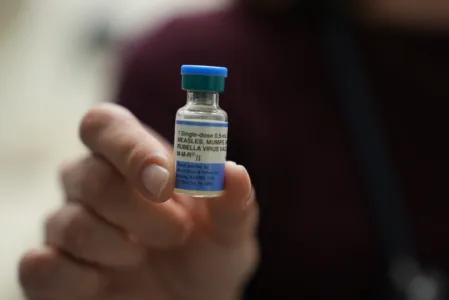
The Health Department encourages residents to make sure they are up to date on the MMR (measles, mumps and rubella) vaccine. Free MMR vaccination is widely available throughout the county and at the CCHD. Residents who are unsure of their vaccination status, do not have insurance or are having difficulty accessing vaccination can contact the Health Department at 716-753-4491. A list of clinic sites can be found at HealthyCHQ.com.
Individuals who cannot be vaccinated or who are not yet fully protected--including infants too young to be routinely vaccinated, pregnant persons, and certain individuals with medical conditions--are at greater risk if exposed to measles. These individuals and their caregivers should consider avoiding crowded public settings where they may be more likely to encounter someone who is infected, particularly while measles activity is present in the region.
Residents should continue to monitor HealthyCHQ.com for updates such as additional measles cases, information and public health guidance.
The U.S. eliminated the domestic spread of measles in 2000 by maintaining high vaccination rates, but they have fallen in recent years to below the 95% coverage needed to prevent outbreaks. In November, international health officials will meet to determine if the U.S. and Mexico have lost their measles-free status.