
Healing with Horses: Seeing, believing in a better lifestyle
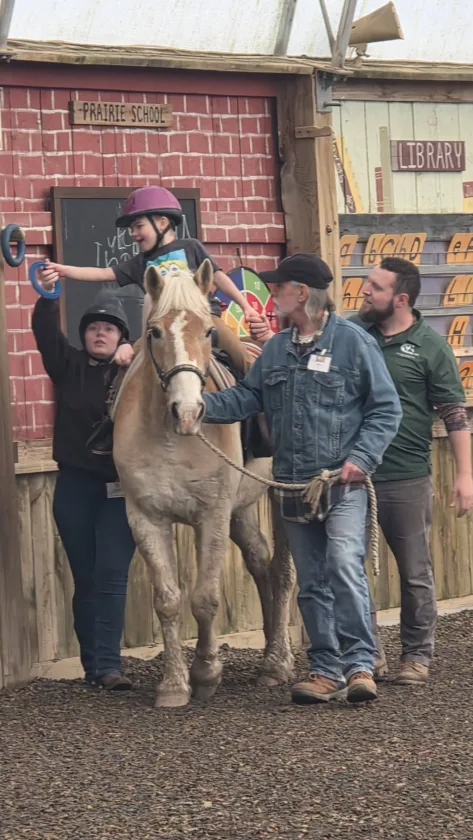
Landon Johnson gets some assistance.
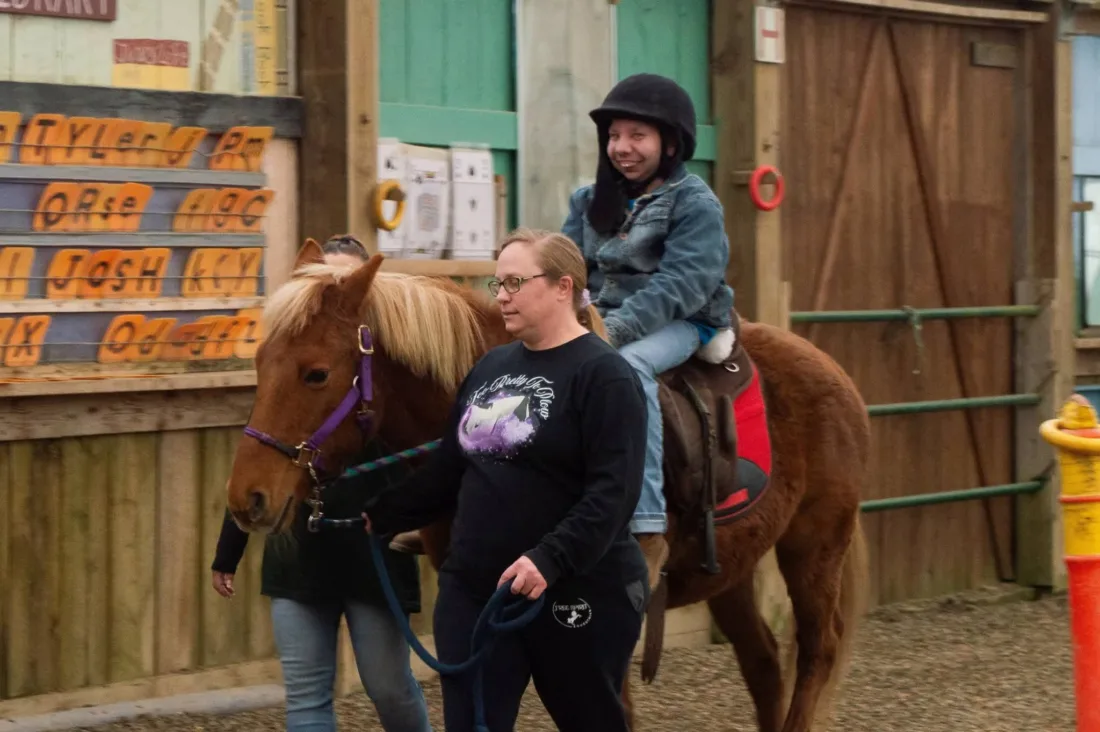
Matt Tomassini with leader Nikki Colburn.
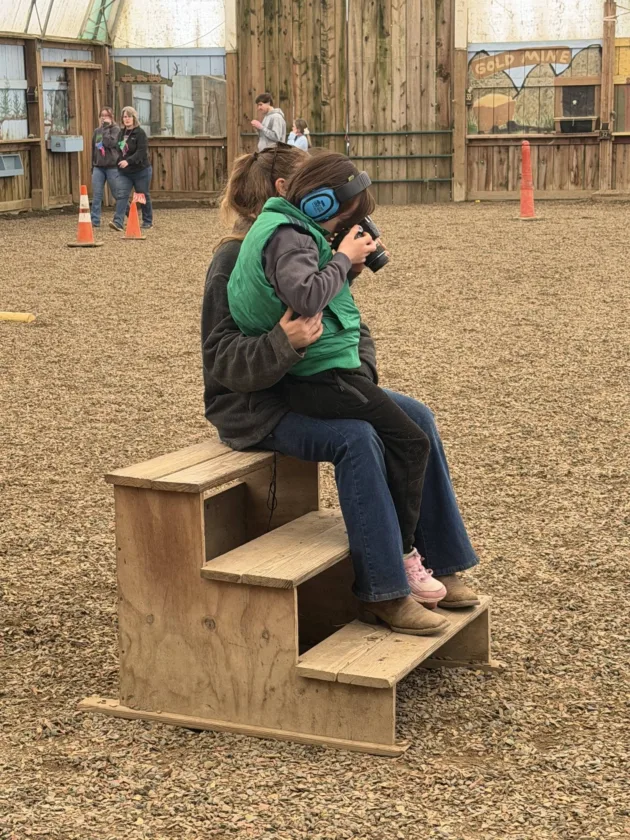
Evan Collins exploring the camera as he prepares to get on his horse.
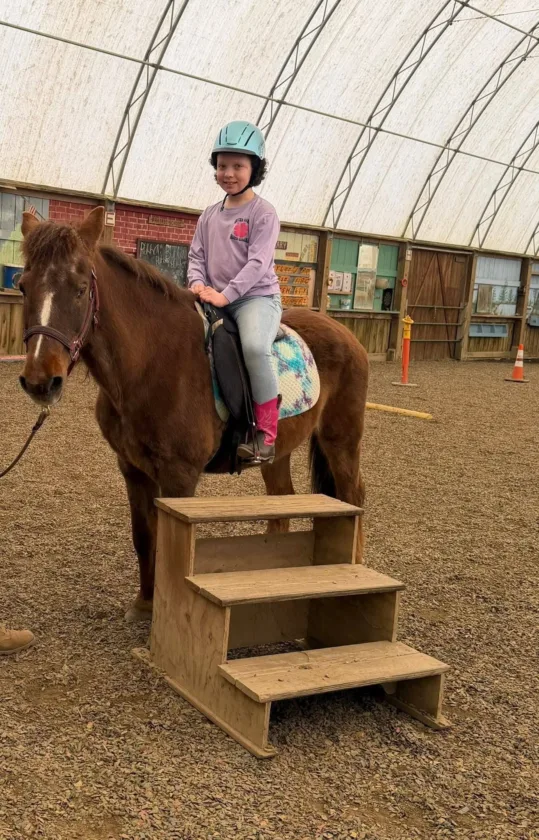
Izzy Fisher is all smiles.
Landon Johnson gets some assistance.
Matt Tomassini with leader Nikki Colburn.
Evan Collins exploring the camera as he prepares to get on his horse.
Izzy Fisher is all smiles.
Trending
What if years of scientific research eventually revealed that many seemingly different diseases have more in common than we ever imagined? While every diagnosis has its own causes and treatments, researchers across many disciplines are increasingly discovering common threads: the body’s ability to maintain balance, communicate between cells, and adapt to change. Perhaps the ultimate goal of medicine is not simply curing disease but restoring the conditions that allow the body to function at its best. In other words, quality of life becomes the destination, while healing is the journey.
Physical therapists have long understood that the pathways to healthy development follow remarkably similar patterns. During infancy, primitive reflexes help us survive, then gradually disappear as the nervous system matures. When those reflexes persist, therapists cannot erase the underlying diagnosis, but they can use positioning, movement, repetition, and sensory experiences to help children develop more efficient movement patterns. The nervous system responds because it is designed to learn.
Movement is one of the brain’s greatest teachers. Sensory input shapes motor output, and repeated practice strengthens the brain’s ability to respond efficiently. It raises an important question: What happens when a child cannot move because of a diagnosis, chooses not to move, or simply lives a sedentary lifestyle? The opportunities for learning and adaptation become fewer, affecting not only movement but the body’s overall ability to respond to or in defense of its environment.
Today, research is expanding well beyond traditional neurological disorders. Scientists are exploring mitochondria, microbiomes, hormones, sleep, inflammation, brain waves, and countless other factors that influence health. Although these fields appear different, they share one remarkable characteristic: every system depends on constant communication. Cells exchange information, tissues coordinate their responses, and organs continually adjust to changing conditions. Health depends on this extraordinary conversation taking place every second of every day.
This continual communication is what allows the body to maintain homeostasis--its remarkable ability to restore balance despite constant internal and external change. Every breath, heartbeat, hormone, immune response, and movement reflects countless cells working together. When communication becomes less efficient, the body must work harder to maintain stability. Whether the challenge comes from illness, injury, chronic stress, poor sleep, inactivity, environmental exposures, or other factors, the body’s resources become increasingly devoted to simply keeping up.
Consider a young man with paralysis who learned to load his wheelchair into his truck independently. He did not regain the use of his legs, but he regained independence. By accepting what could not yet be changed, he focused on what could. His quality of life improved not because the original injury disappeared, but because function improved.
Perhaps that lesson extends far beyond paralysis. While researchers continue searching for cures, there is tremendous value in creating the best possible environment for the body to heal itself whenever it can. Supporting healthy cell communication, encouraging movement, reducing unnecessary stress, improving sleep, breathing deeply, spending time outdoors, and engaging in meaningful activity all help create conditions in which the body’s own repair systems can work most effectively.
Maybe setting the stage for healing is the first step toward a cure. Even when a cure is not yet possible, improving function, resilience, and quality of life is never a secondary goal--it is the goal itself.
That is why therapeutic horseback riding deserves attention. Its value extends beyond any single diagnosis. Rather than treating a disease, it engages many of the same pathways that support healthy function throughout the body: movement, sensory experience, balance, attention, emotional connection, and the calming influence of the parasympathetic nervous system. Participants often experience it simply as enjoyment, while the body is simultaneously practicing the very processes that support health.
Perhaps the future of medicine will continue to uncover countless new treatments or even cures for individual diseases. Or perhaps it will also confirm something much simpler: that despite our many diagnoses, the pathways toward health are remarkably alike. When we help the body restore balance, improve communication, and function more efficiently, we may be doing more than improving quality of life. We may be creating the very conditions in which healing becomes possible.
I will never forget the day my eyes were opened to the powerful effects the horse has on creating those conditions, from a physical therapy perspective, and at the same time, significantly improving the quality of life across all domains: physical, emotional, social and cognitive. The whole package is in each enjoyable experience. And repetition is key.
After a school field trip last week, one teacher sent a note: "Hi Holly, Your staff was amazing. I had two students whose parents said they didn’t think they would get on a horse and those two students were on a horse. When I sent those pictures to their parents their hearts melted. They seemed to enjoy it. Thank you for what you do for these kids." Robin Barone, Special Education Teacher, LoGuidice Educational Center.
Thank you to all the amazing people who help me bring this awareness and experience to more people. It is a gift to notice the little things and feel blessed.
Claudia Monroe is president and founder of Centaur Stride.