
Local GOP benefits from state campaign financing
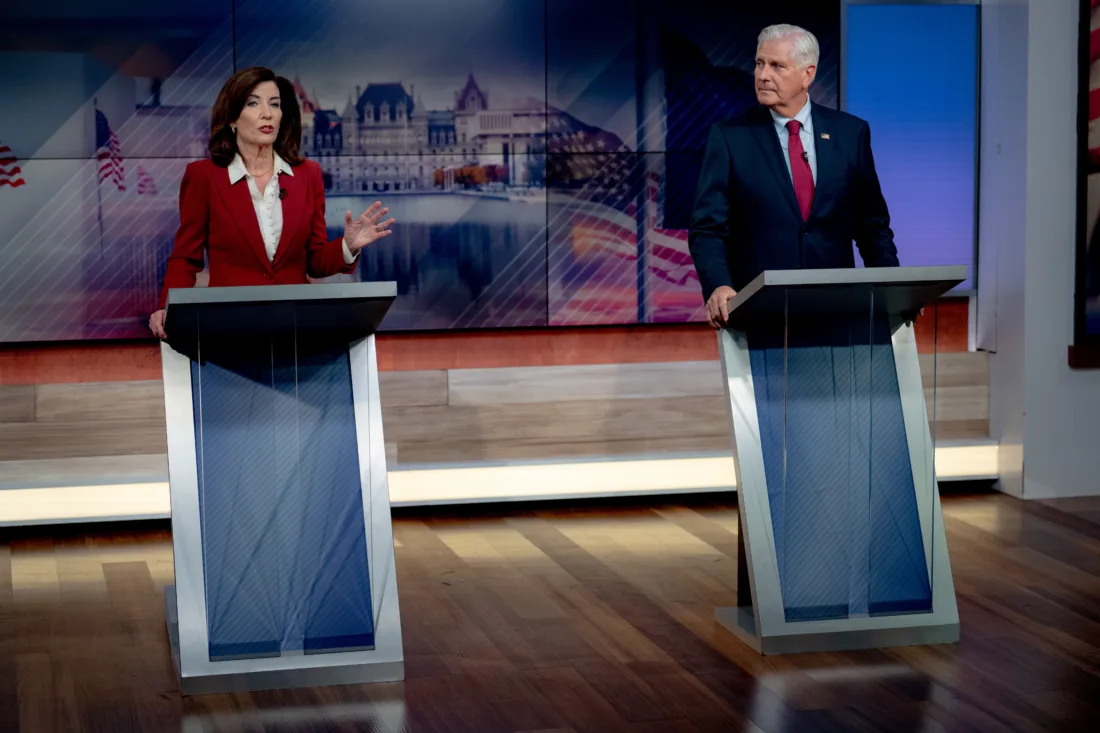
Anna Connors/The New York Times via AP, Pool Governor Kathy Hochul and Republican challenger Bruce Blakeman face off in the only scheduled debate ahead of the November New York gubernatorial election on Tuesday, Oct. 13, 2026, in New York.
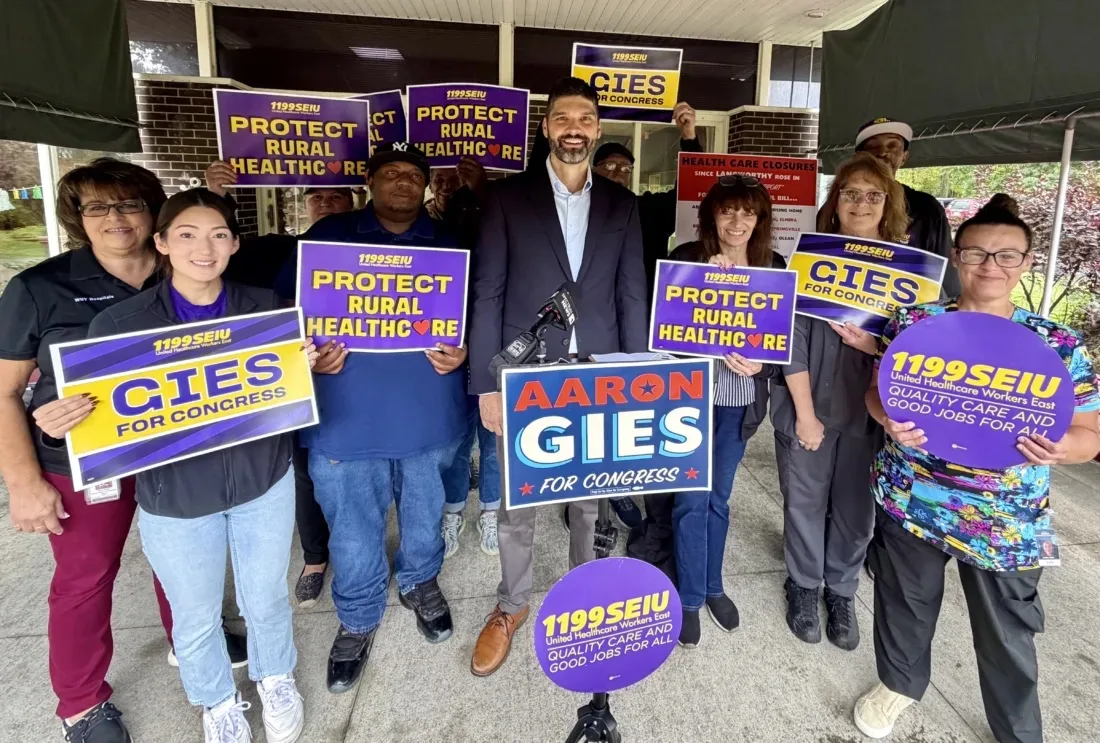
P-J file photo Aaron Gies is pictured during a campaign stop in Dunkirk in September.
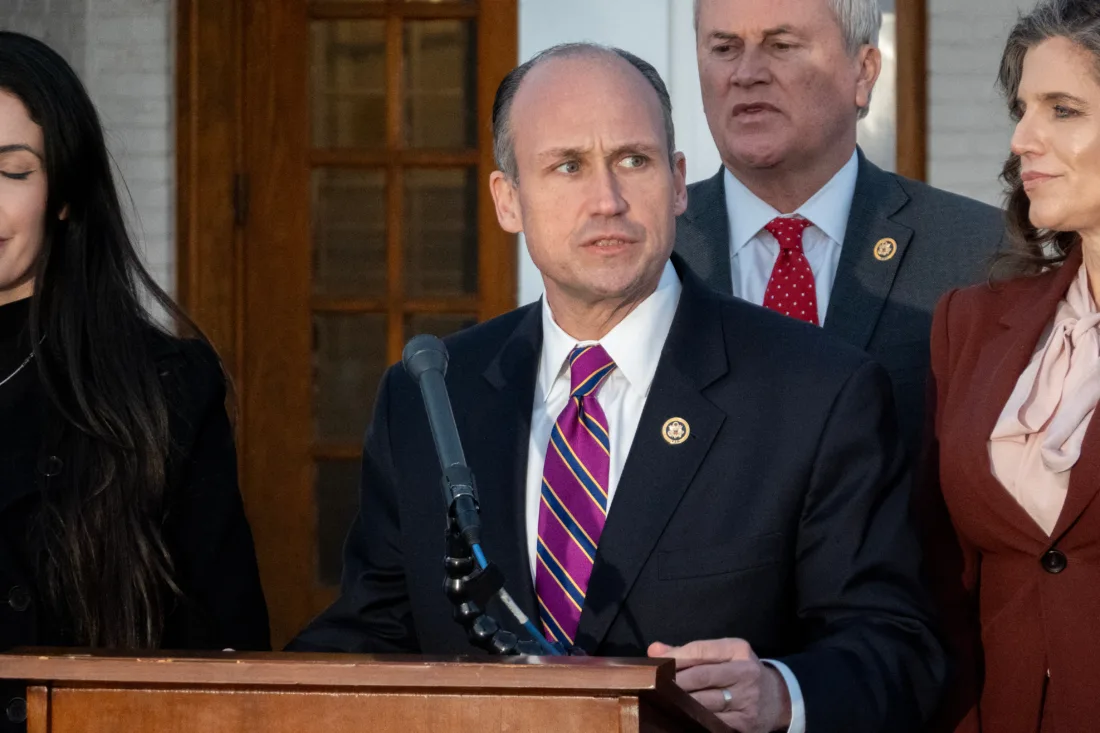
AP Photo/Ted Shaffrey Rep. Nick Langworthy, R-N.Y., speaks during a news conference at the deposition of former President Bill Clinton as part of a congressional investigation into convicted sex offender Jeffrey Epstein, Friday, Feb. 27, 2026, in Chappaqua, New York.
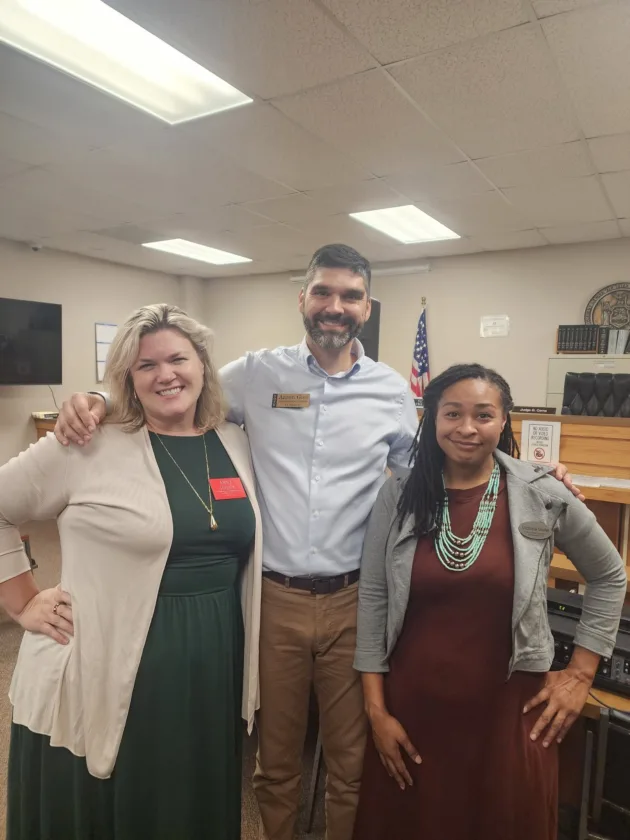
Victoria Guite-Williams, candidate for the 57th state Senate District, is pictured with Anne Joynt, candidate for state Supreme Court, and Aaron Gies, candidate for the 23rd Congressional District seat.
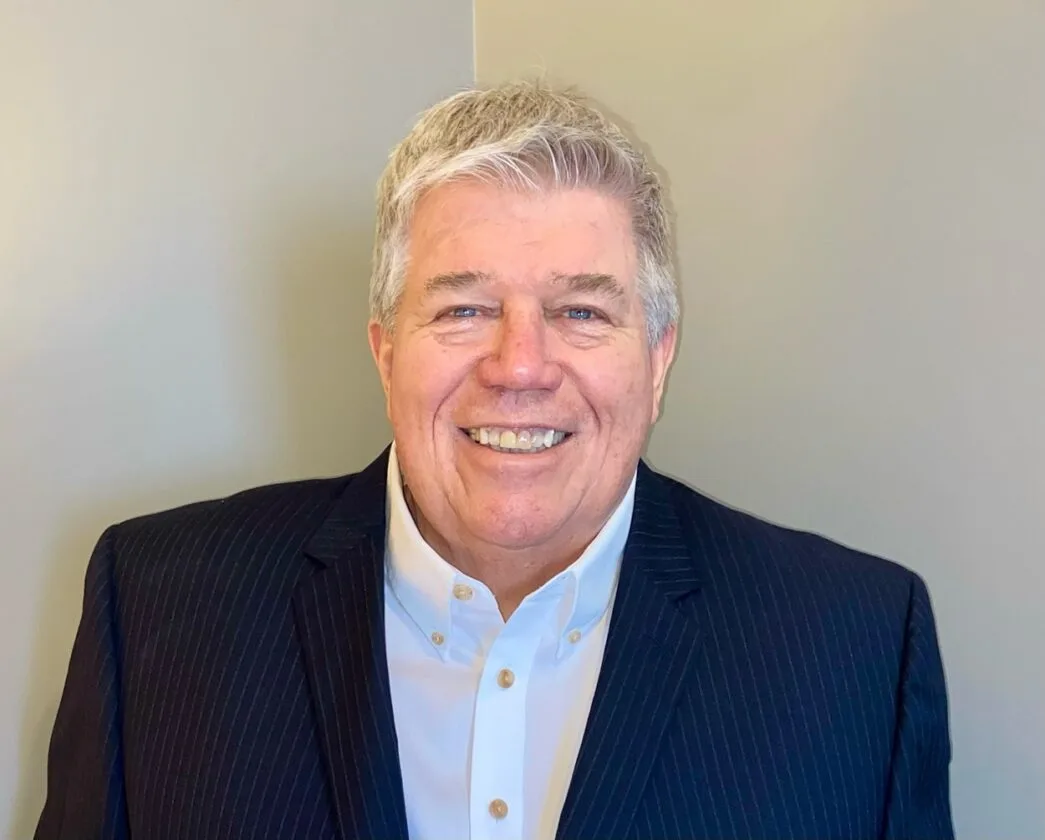
Tom Carle of Fredonia is running against Andrew Molitor for the state Assembly.
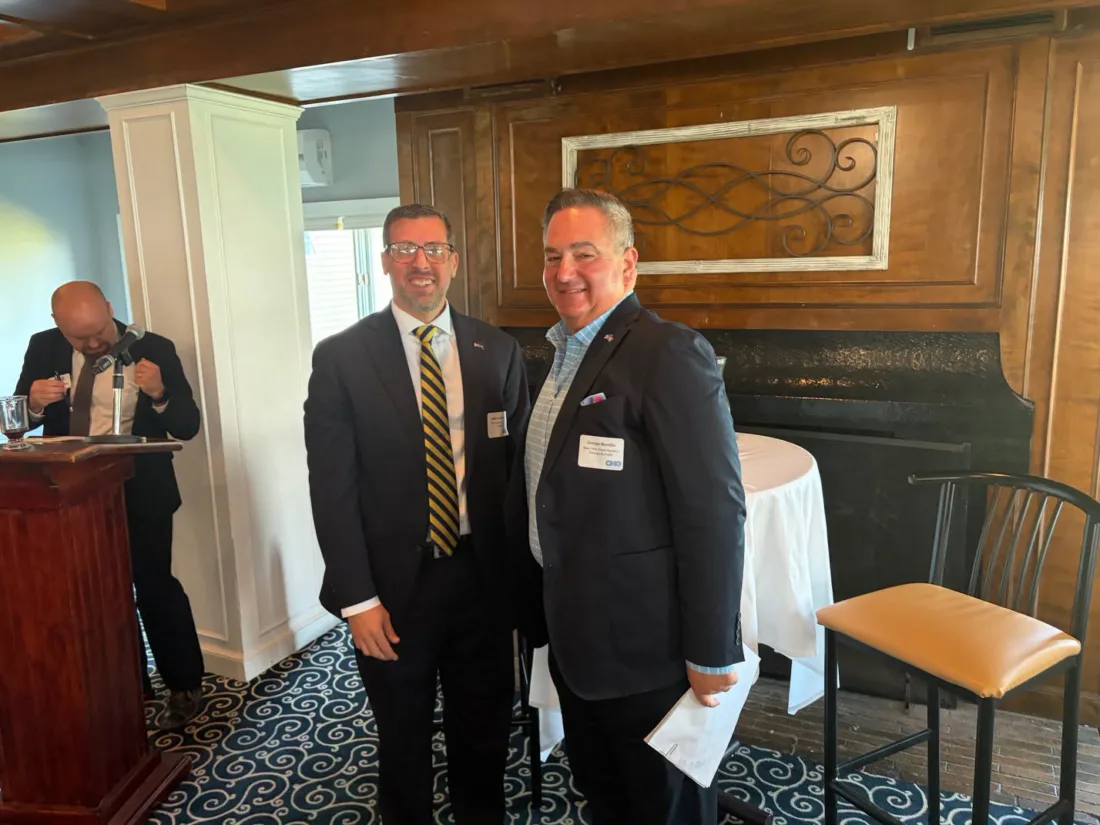
Assemblyman Andrew Molitor, left, and Sen. George Borrello, right, are pictured at the Chautauqua County Chamber of Commerce's annual "State of the State Legislature" earlier this summer.
Anna Connors/The New York Times via AP, Pool Governor Kathy Hochul and Republican challenger Bruce Blakeman face off in the only scheduled debate ahead of the November New York gubernatorial election on Tuesday, Oct. 13, 2026, in New York.
P-J file photo Aaron Gies is pictured during a campaign stop in Dunkirk in September.
AP Photo/Ted Shaffrey Rep. Nick Langworthy, R-N.Y., speaks during a news conference at the deposition of former President Bill Clinton as part of a congressional investigation into convicted sex offender Jeffrey Epstein, Friday, Feb. 27, 2026, in Chappaqua, New York.
Victoria Guite-Williams, candidate for the 57th state Senate District, is pictured with Anne Joynt, candidate for state Supreme Court, and Aaron Gies, candidate for the 23rd Congressional District seat.
Tom Carle of Fredonia is running against Andrew Molitor for the state Assembly.
Assemblyman Andrew Molitor, left, and Sen. George Borrello, right, are pictured at the Chautauqua County Chamber of Commerce's annual "State of the State Legislature" earlier this summer.
Trending
Republicans running for state office in Chautauqua County have benefited more than Democrats from the state’s public campaign finance system.
Candidates can be eligible for up to $3,500,000 in public funding for statewide races, $375,000 for state Senate races, and $175,000 for state Assembly races. The funds are awarded on a matching basis, depending on the race and the amount donated.
Locally, Assemblyman Andrew Molitor has received $109,188.06 in public campaign financing with $54,940.08 in qualified campaign spending. His opponent, Democrat Tom Carle of Fredonia, has not received any public campaign financing. State Sen. George Borrello, R-Sunset Bay, has received $221,556.55 in public campaign money with $153,431.22 while his opponent, Victoria Giute-Williams, has received $87,781. For state legislative races, the first $50 is matched at a 12:1 ratio, the next $100 is matched at a 9:1 ratio, and the next $100 is matched at a 8:1 ratio.
Perhaps the biggest benefactor has been Bruce Blakeman, the Republican candidate for governor who has received the maximum amount allowed for a statewide race under state law. While Blakeman has received $3.5 million in taxpayer funding to help pay for his campaign, Gov. Kathy Hochul hasn’t yet claimed any state campaign money. For statewide races, up to $250 is matched at a 6:1 ratio.
In Blakeman's case, the public campaign financing has helped a campaign that otherwise would be dwarfed by Hochul. Gov. Kathy Hochul opened the 11-day pre-election filing period with $19,046,163.51 and ended the period with $12,301,286.62 while Blakeman opened the 11-day pre-election filing period with $177,930.95 and ended it with $1,274,141.82.
Public matching funds are limited to competitive elections under state law. Unless a candidate can establish that their opponent is competitive as defined by the state Election Law and New York Public Campaign Finance Board regulations, the campaign will be limited to 25% of the total possible matching funds. Should candidates in the program not face an opponent who qualifies for matching funds or one that self-funds their campaign, the burden falls on the candidate to prove that his or her opponent is a competitive candidate.
To prove that their opponent is in fact competitive, candidates are required to demonstrate to the Public Campaign Finance Board that their opponent meets one of the other criteria to be considered a competitive candidate by showing the opponent has the endorsement of a current or former statewide elected official, that membership organizations have endorsed the opposing candidate or that a close relative of the opposing candidate holds elected office or held office recently.
Candidates are automatically considered competitive if their opponent qualifies for matching funds. Candidates are also deemed eligible if their opponent self-funds with at least $500,000 for a gubernatorial race, $100,000 for an attorney general or comptroller race, $12,000 for a state Senate race, or $6,000 for a state Assembly race.
Public campaign funding has strengthened the incumbent's advantage in local races for the state Assembly and Senate. Molitor opened the 11-day pre-election filing period with $118,604 in his campaign account and ended the period with $78,519. Carle opened the period with $233.67 and ended it with $261.85.
Borrello opened the period with $266,407 and ended it with $257,819.33 while Giute-Williams began the period with $3,790.73 and ended it with $730.18.
RACE FOR CONGRESS
Area residents have been inundated with advertisements making the case for incumbent Rep. Nick Langworthy and challenger Aaron Gies to represent the 23rd District in Congress. Langworthy has a fundraising edge as the race comes down to its final days, opening the most recent filing period with $2,252,760.54 and ending it with $1,994,176.70 cash on hand. Gies opened the period with $672,483.72 and closed it with $54,077.18 cash on hand.
Langworthy has benefited from $1,227,265.65 in committee contributions, something Gies has not received. Langworthy also holds an edge in contributions from individuals, $1,018,071.91 to $648,733.72.Langworthy has also roughly doubled spending on the campaign through the most recent period, $1,176,424.17 to $618,252.18.