
Special connection always on display at Centaur Stride
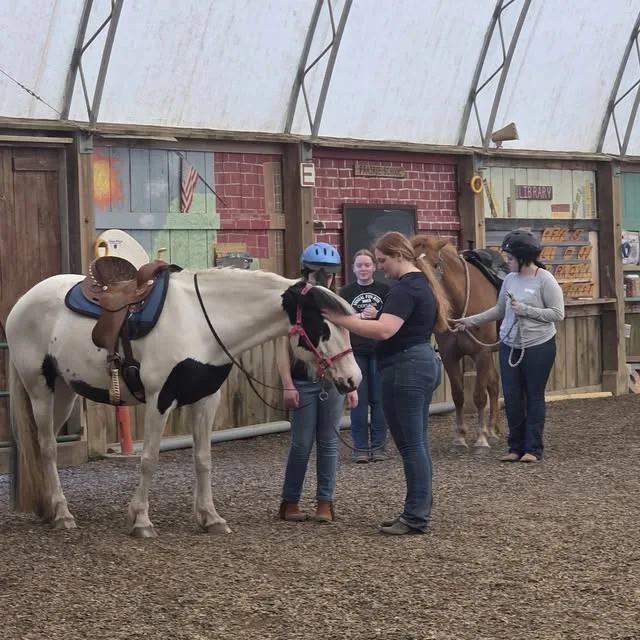
Horses and humans have a special connection at Centaur Stride.
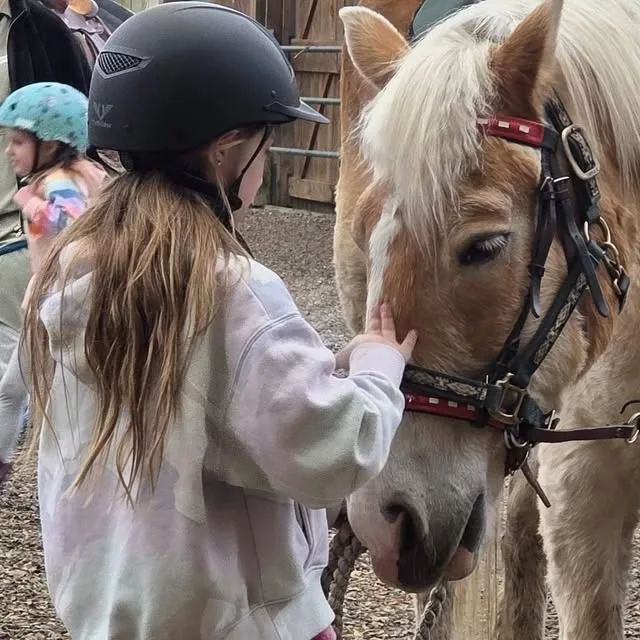
Horses and humans have a special connection at Centaur Stride.
Horses and humans have a special connection at Centaur Stride.
Horses and humans have a special connection at Centaur Stride.
Trending
The bond between horse and human is built on trust, recognition, and a quiet kind of love.
What makes an animal a service or therapy animal? Is it the training, the loyalty, the connection, or perhaps the special garments, paperwork, and fees that sometimes accompany that designation? While these things may define an animal’s role, they don’t necessarily explain what makes the relationship between an animal and a human so extraordinary.
From the cherished stuffed animal of childhood to the faithful companion who walks beside us later in life, animals offer comfort, companionship, reassurance, and something difficult to put into words: the feeling that we are not alone. When it comes to emotional well-being, the connection itself can speak louder than any certificate.
Think about the animals in our lives. They follow us from room to room, settle at our feet, seek our attention, and sometimes seem to understand us without a single word. They don’t criticize, judge, or ask us to explain ourselves. They simply stay.
Anyone who has welcomed a dog home after an absence knows the excitement of that reunion. The wagging tail, dancing feet, and unmistakable joy remind us how deeply animals can recognize and value our presence. Similar reunions between people and animals raised in human care remind us that connection can endure even across time and distance.
Every human being needs to feel recognized, welcomed, valued, and loved. But what happens when a disability makes it difficult or impossible for someone to care for an animal independently? Can that person still experience the remarkable connection animals offer?
This is where therapy animals can make such a meaningful difference.
An animal’s ability to connect with someone doesn’t depend on being that person’s personal pet. Through appropriate training, compassionate handling, and consistent care, animals can develop trusting relationships with many different people. They become partners in shared experiences, offering encouragement, confidence, companionship, and a sense of accomplishment.
At Centaur Stride, our horses are specially trained to work with a variety of participants. Unlike household pets that may form their strongest attachment to one person, our horses learn to accept and connect with individuals of different abilities, personalities, and experience levels. Not every horse is suited to this work. Just like people, horses have their own personalities, preferences, and comfort levels.
One of my favorite sights at Centaur Stride is watching the horses peek over their stall doors, keeping an eye out for familiar faces. As the day approaches, they move closer to the inner doors, positioning themselves to see who is coming.
They are watching. They are waiting.
And perhaps wondering, Will it be me today?
There is something wonderfully heartwarming about seeing a participant approach a stall with a halter in hand. The horse recognizes the familiar routine and often slips its muzzle right into the halter, almost as if to say, “I’m ready. Let’s go!”
It’s a small gesture, but it speaks volumes. There is recognition, cooperation, and a willingness to participate. What might look like an ordinary part of preparing for a riding session is actually one of those beautiful exchanges that make the horse-human relationship so special.
And then there are the treats! Our horses certainly aren’t shy about reminding us when someone has been overlooked. They watch carefully as apples and other goodies are distributed. A well-timed whinny can quickly let us know that someone feels forgotten. I suspect they believe every single treat is well deserved!
Unlike dogs, horses rarely express their excitement through exuberant greetings. Their affection can be much quieter. A horse might stop chewing its hay when it hears familiar footsteps. Its ears turn toward the sound, its eyes follow your movements, and suddenly its attention is focused entirely on your arrival.
That quiet attentiveness is worth appreciating.
Horses are herd animals, naturally aware of their surroundings. They often communicate familiarity and recognition through subtle changes in posture, attention, and behavior. Sometimes those quiet moments are the most meaningful.
A familiar horse recognizes a familiar person. A participant recognizes the horse waiting for them. A hand reaches toward a soft muzzle. The horse lowers its head. A quiet moment passes between them, and suddenly the world seems a little less complicated.
For someone facing physical, emotional, or cognitive challenges, that relationship can be incredibly meaningful. There is no need to explain a disability to a horse, meet a particular expectation, or perform perfectly. Through grooming, leading, riding, or simply standing beside the animal, participants experience trust, responsibility, companionship, and belonging.
And the relationship goes both ways. Our horses are not simply tools of therapy. They are living partners with their own needs, personalities, and boundaries. Their comfort and willingness matter just as much as the participant’s experience. The gentle voices, caring hands, familiar routines, and patient attention they receive help build the trust that makes these connections possible.
At Centaur Stride, we see these relationships develop in countless small ways. Sometimes they happen in a glance, a gentle nuzzle, a relaxed posture, or the anticipation of seeing a familiar horse again.
Perhaps the greatest gift an animal offers is not simply companionship or assistance. It is the experience of being recognized and welcomed without judgment.
Dogs may greet us with wagging tails and joyful celebrations. Horses may simply stop eating their hay, turn their ears toward our footsteps, and quietly watch us approach.
Different expressions. Same beautiful message.
“I’m glad you’re here.”
And when a horse and a human share that moment of recognition, the connection can be every bit as powerful as a heartfelt hug. It is a calm, peaceful, grounding feeling that reaches beyond words.
It feels like you belong.
Claudia Monroe is president and founder of Centaur Stride.