WNY wired for snow, wind and walleye
-
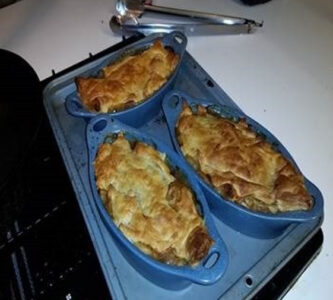
- Photo courtesy of Jack Maeder Pheasant pot pie is a delicacy that 80-plus-year-old Western New York native Jack Maeder has traditionally offered to his family and friends after a successful day afield.
-
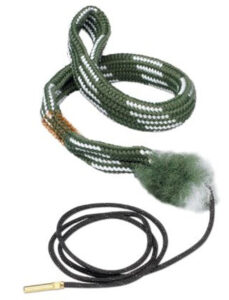
- Photo courtesy of Hoppes.com The Hoppes Boresnake for all calibers makes firearm cleaning simple and quick.
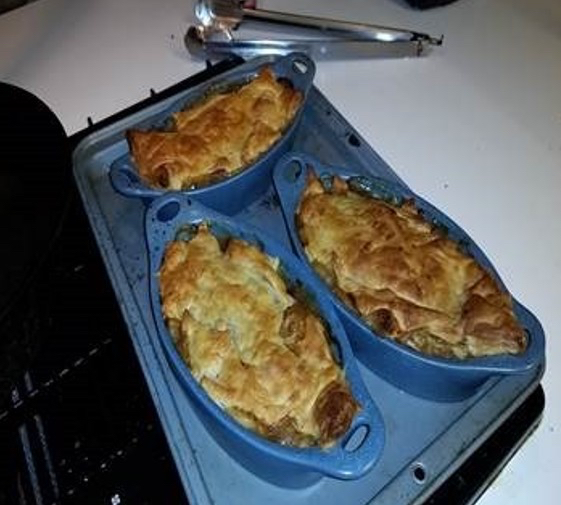
Photo courtesy of Jack Maeder Pheasant pot pie is a delicacy that 80-plus-year-old Western New York native Jack Maeder has traditionally offered to his family and friends after a successful day afield.
When the calendar flipped to 2026, Western New Yorkers did what they always do — checked the weather, complained about it and then went outside anyway — with a grin.
It’s what we do best. And looking back at 2025, one thing is clear: whether you were fishing Lake Erie, sitting in a Southern Zone deer stand or hiking a snow-dusted trail at Allegany State Park or Zoar Valley, the outdoors changed in ways both impressive and occasionally compelling.
For anglers across WNY, fishing rods quietly became marvels of modern engineering. New carbon fiber blends and nano-resin designs delivered rods lighter than half a box of cheese pierogi and sensitive enough to detect a walleye blinking at a lure.
Check out the Douglas rods. On Lake Erie and Chautauqua Lake, that extra sensitivity meant feeling subtle bites in deep water, though it did not, unfortunately, prevent fish from shaking the hook at the net. Technology still hasn’t solved that problem.
Two-piece and modular rods also gained traction, especially among walleye anglers who travel between Erie, Ontario and inland waters. Rod lockers became neater, garages less cluttered, and spouses only slightly less suspicious of “just one more rod.”
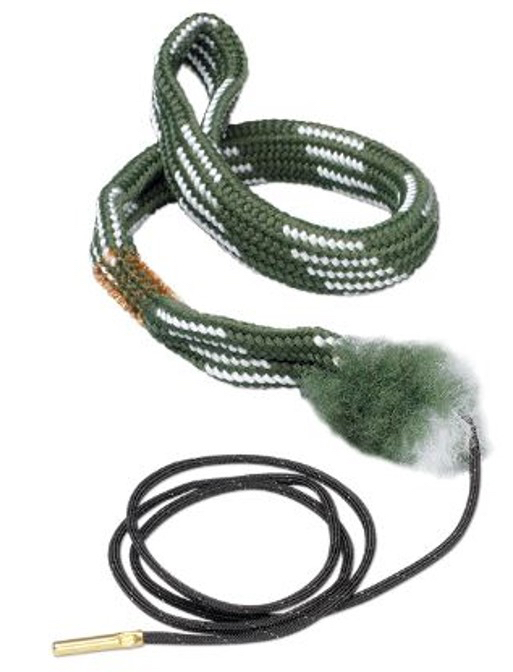
Photo courtesy of Hoppes.com The Hoppes Boresnake for all calibers makes firearm cleaning simple and quick.
Of course, no fishing conversation in Western New York in 2025 went very far without bumping into forward-facing sonar. For some, it was a revelation — watching fish swim, react and sometimes completely ignore your offering in real time. For others, it felt like cheating, or at least like watching the fish flip you off in high definition.
Tournament anglers felt it most. Debates popped up at weigh-ins from Dunkirk to Buffalo: Is it still fishing if you can see the fish before you cast? Should skill mean reading water or reading a screen? Some tournaments adjusted rules, others experimented with limits, and a few decided to keep things old-school. By year’s end, most folks agreed on one thing: forward-facing sonar doesn’t catch fish on its own, but it sure can hurt your feelings.
Looking toward 2026, expect Western New York events to continue striking a balance, preserving the challenge while acknowledging that technology is here to stay — like snow in April.
Hunters across the region saw their own share of advancements in 2025. New ammunition designs delivered flatter trajectories and more consistent performance, particularly helpful in the rolling farmland and mixed woodlots common across Chautauqua, Cattaraugus and Erie counties. Shorter barrels paired with modern cartridges meant easier handling in thick cover, which WNY hunters know is more common than wide-open shooting lanes. And the legalization of crossbows for all archery seasons coupled with tossing out the rules for width of the crossbow. That was big.
Lead-free ammunition continued to gain acceptance as well, not because anyone likes being told what to shoot, but because it works. Hunters noticed clean harvests, reliable expansion, and the added benefit of protecting the very land they pass down to future seasons.
Optics also stepped forward. Smart scopes and range-finding binoculars became more user-friendly, helping hunters confirm distances across cut cornfields or hardwood ridges. Of course, no amount of technology could stop a deer from appearing precisely when your gloves were off and your coffee was gone.
Hikers and outdoor wanderers found 2025 to be a good year for lighter packs and smarter gear. Trails at Allegany State Park, Zoar Valley and along the Lake Erie bluffs saw more folks outfitted with ultralight packs and footwear that promised comfort without sacrificing toughness. GPS watches and navigation apps added peace of mind, especially during shoulder seasons when daylight disappears faster than a WNY summer.
One emerging theme across all outdoor pursuits was sustainability. Biodegradable fishing lines, reduced packaging, and longer-lasting gear reflected something Western New Yorkers have always understood: when you depend on the land and water, you take care of it. Conservation here isn’t trendy, it’s tradition.
So what does 2026 look like for the Western New York outdoors?
Expect fishing rods to keep getting lighter, sonar units to get smarter, and tournament rules to continue evolving. Expect hunting gear to emphasize ethical performance over flash. Expect hiking equipment to keep shedding weight while gaining durability.
And expect the conversations to continue at boat launches, check stations, bait shops, diners, and around tailgates. Because no matter how advanced the gear becomes, Western New Yorkers will still argue about the best lure color, the right bullet, the perfect boot, and whether this winter is really worse than the last one. And of course, recipes that make a difference are included in conversations.
Local whitebeard hunter and kitchen aficionado, Jack Maeder, more than 80 years young, agreed to share his tasty pheasant pot pie recipe. It goes like this: Take one skinned pheasant cut into individual parts like a chicken, add to 2 cups of water in a pressure cooker that includes one bay leaf, three cloves of garlic (chopped), a half-onion (chopped) and one stalk of celery (chopped) for 10 minutes at high pressure. Remove and debone the bird, then melt two tablespoons butter in a skillet to saute four chopped shallots, one sliced carrot, two sliced stalks celery, and add a half-can of kernel corn. Then add a can of cream of chicken soup. Thin with the water from the pressure cooker, add salt, pepper and thyme to taste. Mix the chopped pheasant into the skillet for a few minutes, then pour the mix into three ramekins (baking dishes). Cover with crust pastry. Paint the pastry with egg/water wash and bake at 425 degrees until the crust is browned (about 15 minutes). Maeder likes this dish with cranberry relish. The secret is out! Geez, I’m hungry! An old fashioned recipe in our modern times is perfect for reflection as the New Year begins.
In the end, 2025 reminded us that innovation doesn’t replace tradition — it refines it. And as 2026 unfolds, the outdoors of Western New York remain exactly what they’ve always been: challenging, unpredictable, occasionally uncomfortable, and absolutely worth every minute spent outside.
Gotta love the outdoors.
CALENDAR
Jan. 3: Clays for Cash, 100-sporting clay shoot, Hanover Fish & Game, 780 Overhiser Road, Forestville.
Jan. 3-4: Hamburg Gun Show, Hamburg Fairgrounds, $10 admission, opens 9 a.m. each day. Info: 716-542-9929
Jan. 6: Children in the Stream, Youth Fly Fishing program, free, Costello Room, Rockefeller Art Center, SUNY Fredonia, 7-8:30 p.m., 12 years old and older, info: 716-410-7003 (Alberto Rey).