Right to hunt & fish belongs in NY Constitution
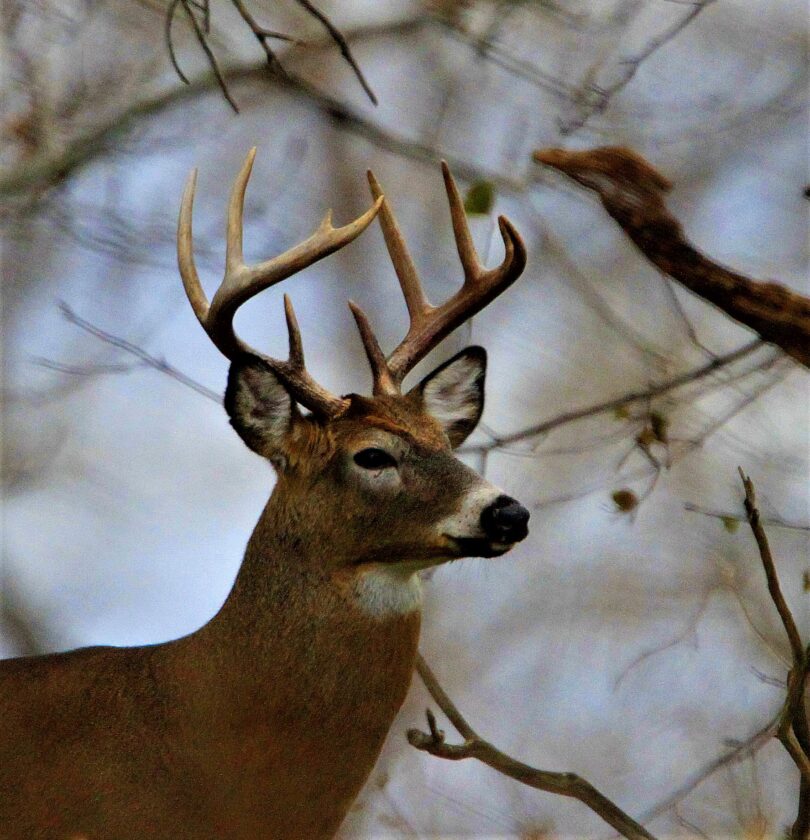
Photo by Joe Forma Adding an amendment to the NYS Constitution would affirm that hunting, fishing, and trapping are valued public rights and recognized tools of wildlife management, while preserving the state’s authority to regulate seasons, methods, and safety.
In state capitols across the country, lawmakers have taken an unusual step to safeguard a longstanding American tradition: they’ve written the right to hunt, fish, and trap directly into their constitutions. What was once simply assumed as part of rural life is now, in 26 states, a formally protected right. But not yet in New York.
It may sound tongue-in-cheek, but in roughly half the country, the right to hunt, fish, and trap is no joke. That includes Alabama, Arkansas, Florida, Georgia, Idaho, Indiana, Kansas, Kentucky, Louisiana, Michigan, Minnesota, Mississippi, Missouri, Montana, Nebraska, North Carolina, North Dakota, Oklahoma, South Carolina, Tennessee, Texas, Utah, Vermont, Virginia, Wisconsin, and Wyoming — have adopted constitutional amendments protecting these traditions.
The constitutional amendments generally affirm that hunting, fishing, and trapping are valued public rights and recognized tools of wildlife management, while still preserving the state’s authority to regulate seasons, methods, and safety. Supporters say the goal is straightforward: ensure that decisions about wildlife remain rooted in science and professional management, not shifting political tides.
So why have sportsmen across the country pushed for this?
For starters, they see it as playing defense. In recent decades, ballot initiatives and legislative efforts in some states have restricted certain hunting practices or proposed broader bans. By elevating hunting and fishing to constitutional status, supporters aim to ensure that these activities can’t be eliminated by a simple majority vote in a future legislature. Changing a constitution is possible, of course, but it requires a much higher bar and broader consensus.
There’s also a conservation angle that often gets overlooked. Under the North American Model of Wildlife Conservation, wildlife is managed using science, funded largely by hunters and anglers themselves. License sales, along with federal excise taxes on firearms, ammunition, archery equipment, and fishing gear, generate billions of dollars for habitat restoration, species recovery, and public access. In many states, sportsmen are the financial backbone of conservation programs that benefit everything from songbirds to wetlands. According to the U.S. Fish and Wildlife Service, in New York State alone, sporting license data show hundreds of thousands of individuals purchase fishing and hunting licenses annually (with fishing license holders typically exceeding 900,000 and hunting license holders in the 500,000-600,000 range). Statewide economic analyses highlight that hunting and fishing contribute an estimated $5 billion to New York’s economy each year, not only through licenses but via travel, gear, lodging, and other local expenditures – with a sizable portion of that supporting state environmental and conservation programs.
Supporters argue that protecting the right to hunt and fish helps secure that funding stream for future generations. Fewer hunters and anglers mean fewer dollars for
conservation. In that sense, a constitutional amendment isn’t just about tradition; it’s about maintaining a proven system that has helped restore wild turkey, white-tailed deer, wood ducks, and countless other species from historic lows.
So why don’t all 50 states have such amendments? In some places, lawmakers and voters feel existing laws already provide sufficient protection. In others, the cultural landscape is more urban, and hunting and trapping play a smaller role in daily life. Some critics worry that constitutional language could limit future policy options or complicate animal welfare debates.
In New York, where outdoor recreation is both a pastime and an economic engine, the conversation carries particular weight. From the trout streams of the Catskills to the whitetail woods of the Southern Tier and the waterfowl marshes along Lake Erie and Lake Ontario, hunting and fishing are woven into the state’s identity. They support local businesses, sustain rural communities, and connect families to land and water in ways that can’t be replicated by a smartphone app.
Advocates here argue that a constitutional amendment would not create a free-for-all. State agencies would retain authority to set seasons, enforce safety rules, and protect endangered species. The goal, they say, is balance: recognize these activities as a valued public right while affirming that responsible regulation remains essential. Multiple conservation organizations from Western New York support this amendment effort.
At its heart, this debate isn’t just about deer tags or duck blinds. It’s about whether hunting, fishing, and trapping are seen as temporary privileges or enduring parts of our shared heritage.
New York has long prided itself on leading in conservation, from establishing the Adirondack Park to investing in public lands. Adding constitutional protection for the right to hunt and fish would signal that the Empire State sees sportsmen not as relics of the past, but as partners in stewarding for the future.
After all, if we trust science to manage our forests and waters, and if we trust citizens to follow the rules, maybe there’s room in the constitution for a little common sense — and perhaps, metaphorically speaking, a pair of muddy boots by the door.
Gotta Love the Outdoors.
Outdoors Calendar
Feb. 13-16: Great Backyard Bird Count, a global citizen science event. Visit Merlin Bird ID online.
Feb. 14: WNY Walleye Fisherman’s Flea Market, 9 a.m.-2 p.m.; Knights of Columbus, 36 Pierce Ave., Hamburg; Info: Chris Kempf, 716-400-9258; Jim Plinzke, 716-861-8817.
Feb. 17: Erie County Fish Advisory Board, monthly meeting, Bison City Rod & Gun, 511 Ohio St., Buffalo, 7 p.m., Open to the public.
Feb. 17: Children in the Stream, Youth Fly Fishing program, free, Costello Room, Rockefeller Art Center, SUNY Fredonia, 7-8:30 p.m., 12yrs old and older, info: 716-410-7003 (Alberto Rey).
Local Sports

Right to hunt & fish belongs in NY Constitution
Krenzer has pair of top-10 finishes at swimming sectionals
BUFFALO — The Frewsburg/Southwestern/Jamestown/Falconer boys swimming and diving team won a pair of relay titles ...
Cassadaga Valley’s Emma Nickerson qualifies for states
CHEEKTOWAGA — Frewsburg won its second straight Section VI Class D title and third in program history at the ...
Fredonia rally falls short against Falconer 42-39
FREDONIA — A strong second quarter was enough for Falconer as it held on to defeat Fredonia 42-39 in ...
Ferranto hits 1,000 and Wildcats trim Chautauqua Lake
MAYVILLE — Jacob Ferranto scored his 1,000th career point midway through the fourth quarter as Sherman rallied ...