
Walleye are in the crosshairs
When it comes to New York fishing regulations, one thing is constant: change is always in the current. NYSDEC has announced a slate of proposed updates to coolwater sportfish regulations, targeting walleye, northern pike, chain pickerel and tiger musky. According to the agency, the changes are designed to better protect spawning fish, boost reproductive success (particularly for eastern Lake Ontario walleye), and simplify a rulebook that can sometimes feel thicker than a spring steelhead ready to spawn.
Commissioner Amanda Lefton framed the move as adaptive management in action. Translation: fish populations shift, water temperatures rise, anglers adapt and regulations have to keep pace.
What’s changing? The headline adjustment is moving the season closing date for walleye, northern pike, chain pickerel, and tiger musky from March 15 to March 1 statewide, including special regulation waters. That two-week shift may not sound dramatic, but biologists say spawning activity is creeping earlier as water temperatures warm. That must be why we have 20-plus inches of ice on many waters this winter.
Without the gist, the idea is to give fish a little more privacy when they’re doing the important work of making more fish.
In the same spirit, fishing-prohibited sections of select streams that protect spawning walleye would also start two weeks earlier: March 2 instead of March 16.
Then there’s Lake Ontario’s eastern basin. In Jefferson County waters, the proposed regulation would set a two-fish daily creel limit for walleye, with no more than one fish over 24 inches. That’s clearly aimed at protecting larger, more fertile females, the engine of any healthy walleye population.
And finally, the DEC is proposing to eliminate special 18-inch minimum/three-per-day harvest regulations on 33 waters that were originally managed to establish or rebuild walleye fisheries but no longer require that level of protection. Those waters would revert to the statewide 15-inch minimum and five-fish daily limit.
The big question: which 33 waters? That’s the million-dollar question. We reached out to the DEC for clarification on exactly which 33 waterways would see those changes. As of this writing, we’re still waiting for specifics. Fisheries managers are busy folks this time of year: reviewing data, crunching creel surveys, and perhaps, depending on the week, shoveling snow somewhere downstate. We’ll update readers as soon as the list becomes available. Until then, anglers in waters currently under special 18-inch/three-fish walleye rules may want to keep an eye on the proposal details and the public comment process.
A surprise twist for Lake Erie anglers? Interestingly, this proposal runs counter to what many Lake Erie anglers expected. There had been chatter–hopeful chatter–about a potential increase in the walleye limit on Lake Erie. Instead, the regulatory conversation has shifted toward greater spawning protection and, in one case, tighter harvest rules. For some, that’s a curveball. For others, it’s a reminder that fisheries management isn’t just about today’s bite–it’s about the next decade.
It’s fair to ask questions. Are managers seeing warning signs in the data? Are they planning conservatively in response to climate-driven changes in spawning cycles? Is this simply a precautionary move to ensure sustainability before problems develop? Whatever the reasoning, this proposal signals a cautious tone. Rather than expanding limits, the DEC appears focused on protecting broodstock and aligning seasons more closely with shifting biological timelines. In theory, that’s a good thing.
The bigger picture: Fish don’t read regulation guides. They respond to water temperature, forage availability, and habitat conditions. As spawning periods inch earlier in the calendar, regulations that once worked well may need recalibration. Adaptive management isn’t flashy. It doesn’t always make headlines. But it does aim to keep fisheries stable for the long haul.
Anglers now have the opportunity to weigh in during the public comment period. Agree or disagree, the DEC wants feedback, and in a state with as many passionate anglers as New York, we should give that to them. I hope they get it. Get your pencil out. Comments accepted through April 13, 2026, and should be emailed to regulations.fish@dec.ny.gov with the subject line “Coolwater Sportfish Regulations,” or sent by standard mail to: Inland Fisheries Section/NYSDEC, 625 Broadway, Albany, New York, 12233-4753.
In the meantime, keep your lines tight, your opinions thoughtful, and your calendar handy. March might be arriving a little earlier than expected, at least for walleye.
Gotta love the outdoors.
Calendar
Feb. 25: Erie County SCOPE, monthly meeting, 7 p.m., Matthew Glab Post, 1965 Abbott Road, Lackawanna; NYS Pistol Process/2nd Amendment reform. Open to public.
Feb. 26: Lake Erie Chapter of Fly Fishers, monthly meeting, 6 p.m., Burchfield Nature and Arts Center, 2001 Union Road., West Seneca, Guest: Tyler Olrogg – Fly Fishing Team USA.
Feb. 26: Erie County Federation of Sportsmen, monthly meeting, 7 p.m., George Washington Club, 2805 Niagara St., Buffalo. Board meeting begins at 6:30 p.m.. Open to public.
Feb. 28: Southtowns Walleye Association Outfitters Fair, 5895 Southwestern Blvd.., Hamburg, 9 a.m.-1 p.m. Free admission.
Feb. 28: Hunting Season Close: Pheasant, Cottontail Rabbit, Ruffed Grouse. See dec.ny.gov for details.
Mar. 6-8: WNY Sport/Travel Show, Hamburg Fairgrounds, see: https://renmarevents.com/wny-sport-show/.
Submit calendar items to forrestfisher35@yahoo.com at least 10 days in advance.
Local Sports
SECTION VI POSTSEASON
BOYS BASKETBALL Class AAA Semifinals Thursday, Feb. 26 At Buffalo State University No. 4 Lancaster vs. ...
Walleye are in the crosshairs
When it comes to New York fishing regulations, one thing is constant: change is always in the current. NYSDEC has ...
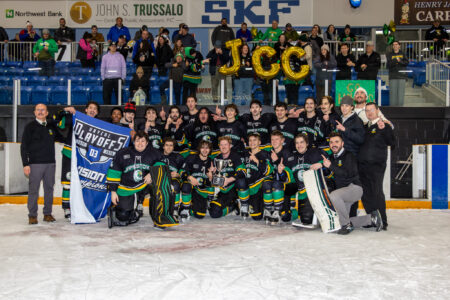
‘Complete team game’ lifts JCC club hockey team to UNYCHL Division 3 title
Fredonia girls advance to Class A2 semis
BUFFALO — Cece Tonelli had 14 points, eight steals and three rebounds to lead No. 7 Fredonia past No. 2 Buffalo ...
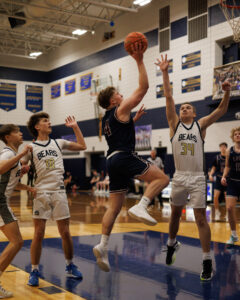
‘It paid off’
Duliba, Anders power Hornets past Pine Valley
FORESTVILLE — William Duliba scored 12 points in the first half and Jacob Anders added 9 during the third quarter ...