
Family picnics and tick awareness in WNY
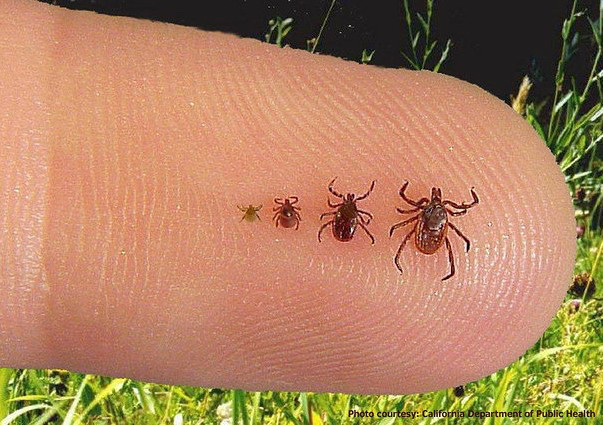
Photo courtesy of California Department of Public Health Deer ticks (also known as blacklegged ticks) can carry Lyme disease and several other lifelong, health-crippling ailments, including babesiosis, anaplasmosis and several other hard-to-pronounce medical maladies.
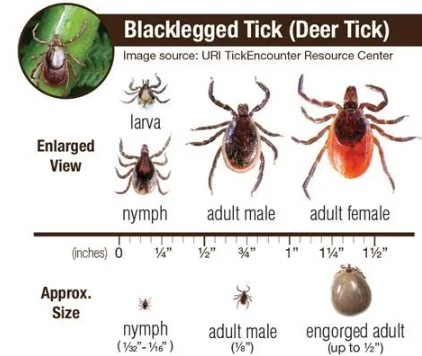
Photo courtesy of California Department of Public Health Deer ticks that can carry several types of life-crippling virus diseases are very small, allowing them to go without our visual notice. Awareness is key to detection.
Photo courtesy of California Department of Public Health Deer ticks (also known as blacklegged ticks) can carry Lyme disease and several other lifelong, health-crippling ailments, including babesiosis, anaplasmosis and several other hard-to-pronounce medical maladies.
Photo courtesy of California Department of Public Health Deer ticks that can carry several types of life-crippling virus diseases are very small, allowing them to go without our visual notice. Awareness is key to detection.
Trending
When spring wild turkey season ended on May 31 and memories of the deer season are long behind us too, hunters and their families -- and thousands of others -- head for warm weather fun. Enter backyard garden projects, hiking boots, fishing gear, camping supplies and family outings. Parks fill with hikers, campers, picnickers, anglers, birdwatchers, gardeners, dog walkers and families enjoying warmer weather. While outdoor recreation ramps up across Western New York, one tiny woodland resident remains especially active: the deer tick, also known as the blacklegged tick (Ixodes scapularis), capable of transmitting Lyme disease and several other lifelong, health-crippling ailments, including babesiosis, anaplasmosis, and several other hard-to-pronounce medical maladies. There is a big need to simply be aware.
Deer ticks thrive in wooded, brushy, grassy, and overgrown habitats common throughout Western New York -- exactly the places where people enjoy spending time outdoors in spring and summer. Mild winters, abundant wildlife and thriving mouse populations have contributed to expanding tick populations, increasing the chance of exposure for anyone spending time in forests, trails, campsites, fields, parks or even backyard gardens.
The concern is not the deer, but infected ticks that may carry the bacteria responsible for Lyme disease. The deer ticks get Lyme from white-footed mice, not from deer. Young ticks can be incredibly small -- no larger than a poppy seed -- making them difficult to notice after outdoor activity. Lyme disease symptoms may develop days or even weeks after exposure and can include fatigue, fever, headaches, muscle aches, swollen lymph nodes, unusual exhaustion, stiffness, or persistent joint pain, especially in knees and larger joints. When recognized early, Lyme disease is usually very treatable with antibiotics, but delayed diagnosis can lead to more serious complications affecting joints, nerves, and major organs, including the heart.
One important fact that most people overlook: not everyone develops the classic "bullseye" rash. Even doctors misunderstand this fact. While the rash is widely recognized, many people diagnosed with Lyme disease never see one. If you begin feeling unusually sore, fatigued, feverish, achy, or develop unexplained joint discomfort after spending time outdoors, don't ignore it simply because no rash appears or because you never noticed a tick bite. A suspected tick bite combined with symptoms deserves your total attention.
Lyme disease often imitates other illnesses (over 300 other diseases), which can delay proper diagnosis for years if symptoms are dismissed. According to www.lymedisease.org, 72% of patients see four or more doctors and years of time before proper diagnosis.
The best defense is prevention through awareness and proper use of repellents and protective clothing. Wear long sleeves, long pants, and light-colored clothing whenever possible, so the smaller-than-small ticks are easier to spot. Apply EPA-approved repellents correctly: products containing DEET or Picaridin are effective for exposed skin, while Permethrin should be applied only to clothing, boots, socks, tents, or outdoor gear -- not directly to skin. After hiking, hunting, gardening, camping, fishing, yard work or even a picnic in grassy areas, perform a thorough tick check, and inspect clothing, gear and pets before entering your home. Off with your external clothes and into the dryer set on high for 30 minutes. Heat kills them. Then, get into the shower for your own safety for a visual check and rinse off.
If you find an attached tick, remove it promptly using fine-tipped tweezers. Grasp it as close to the skin as possible and pull steadily upward, slowly, without twisting. Clean the bite area afterward with soap and water or rubbing alcohol. Instead of discarding the tick, save it for identification and testing. Place it in a sealed container or zip-top bag with a small piece of slightly damp paper towel, then label it with the date and likely location of exposure. A practical option for tick testing is www.tickcheck.com which provides instructions for submitting ticks for identification and screening for Lyme disease and other pathogens.
If no tick was found but illness appears later -- persistent soreness, fatigue, headaches, swollen joints, flu-like symptoms, or unusual weakness after time outdoors -- consider discussing Lyme disease with your healthcare provider. For expanded information on diagnostic testing and tick-borne illnesses, visit www.igenex.com, they offer educational resources and information about advanced Lyme and tick-borne disease testing. In many cases, this is your only final resource when all else fails. These folks understand the identification science of tick diseases.
Western New York's forests, trails, lakes, campsites, and backyards are central to outdoor life and recreation. Tick awareness should not discourage anyone from enjoying the outdoors -- it should encourage smarter habits. A few minutes spent preventing bites, checking for ticks, saving a suspected tick for testing, and paying attention to symptoms can help ensure the memories brought home from the outdoors are good ones, not lifelong health problems.
Gotta love the outdoors.
CALENDAR
June 6: Take-A-Kid-Fishing Day, 9 a.m. to noon, Memorial Park at Dunkirk Yacht Club, ages 16 and under, life jackets required. Sign up at the Northern Chautauqua Conservation Club, 1 N. Mullet St., Dunkirk; 716-366-8836.
June 5-7: WNY Walleye Classic, Dunkirk Harbor, $500 entry, Josh Larsen, 716-490-4226; https://www.primitivepatriotoutdoors.com/wny-walleye-classic. Kids day is Sunday, June 7.
June 7: Celoron Rod & Gun Club, 100th Anniversary Celebration, 10 a.m. start, 210 E. Livingston Ave., Celoron; info: 716-483-6560.
ııı
Submit calendar items to forrestfisher35@yahoo.com at least 10 days in advance.