
The smallest threat in the woods
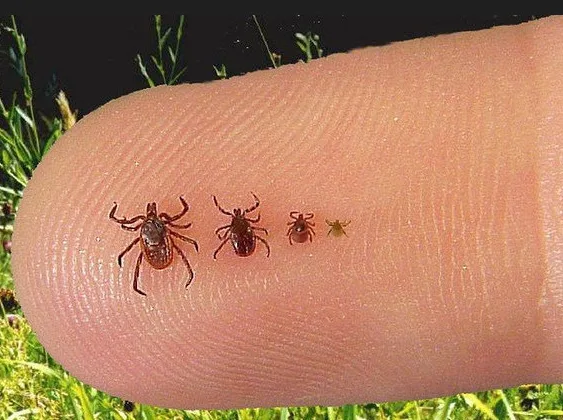
The tiny size of deer ticks make them difficult to see, visually, and their bite is essentially painless. They can carry Lyme disease, so it is important for outdoors folks, especially hunters, to stay aware of how to protect themselves.
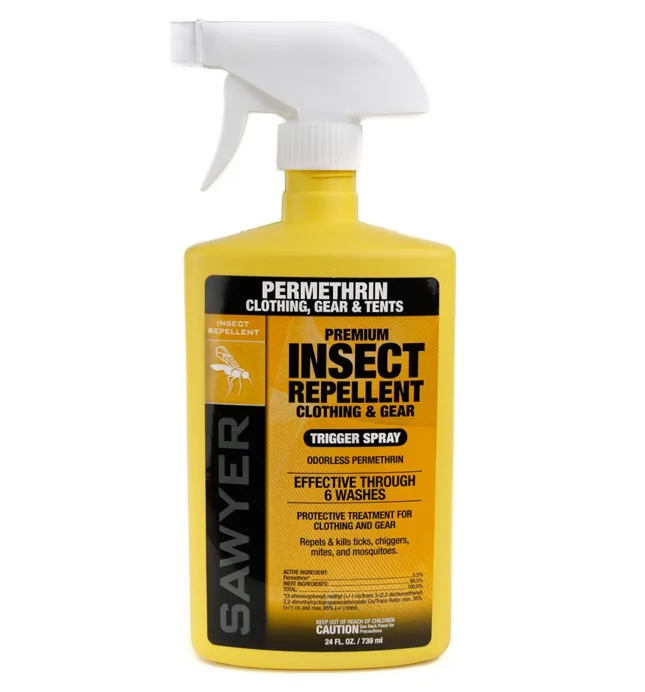
Permethrin products that provide external protection from deer ticks are available locally at general retail outlets and sport stores.
The tiny size of deer ticks make them difficult to see, visually, and their bite is essentially painless. They can carry Lyme disease, so it is important for outdoors folks, especially hunters, to stay aware of how to protect themselves.
Permethrin products that provide external protection from deer ticks are available locally at general retail outlets and sport stores.
Trending
There is plenty to think about when preparing for New York's early archery season: bow, arrows, broadheads, boots, clothing, stand, safety harness and all the other gear that gets us ready for another autumn in the woods.
This year, I'm adding one more item to the checklist:
Tick protection.
Recently, I discovered that my Rynoskin tops and bottoms had disappeared from storage. I found my gloves and hoodie, but after searching every possible storage area, I finally had to accept that the rest was gone.
Replacing them will cost about $55 apiece.
Frankly, after what my family has experienced with Lyme disease, that’s a bargain.
Two of my grandchildren have dealt with Lyme disease following deer-tick bites. Their illnesses weren’t immediately recognized, they were misdiagnosed, and their road to recovery took years. Watching that experience unfold permanently changed the way I look at ticks.
These little creatures may be tiny, but the consequences of an infected bite can be anything but. They can change your life.
That’s why I use Rynoskin clothing when I’m hunting and spending extended periods outdoors. The lightweight, breathable garments are designed as a physical barrier to help keep ticks and other tiny biting insects from reaching the skin.
I also use an EPA-registered Permethrin treatment (Sawyers) on appropriate hunting clothing and gear, following the product label, and use Picaridin on exposed skin. These provide additional layers of protection.
Perhaps the most important protection costs nothing: check yourself.
Blacklegged ticks (deer ticks) can be extremely small, particularly in their nymph stage. After returning from the woods, be sure to check your clothing, toss it into a hot dryer for 20 minutes, look over your gear and carefully inspect your body. Pay particular attention to areas such as behind the ears, along the hairline, under the arms, around the waist and other protected areas.
Don’t forget to check children and pets.
If you find an attached tick, don’t panic. Use fine-tipped tweezers to grasp it as close to the skin as possible and pull upward with steady, even pressure. Clean the bite area and your hands afterward.
You can save the tick for identification and analysis if you wish. The New York Department of Health provides information about tick identification and tick-borne diseases. Keep a saved tick in a sealed container or zip-top bag and record when and where it was found.
Please don’t let tick testing give you a false sense of security. A positive result from testing the tick does not prove that you became infected, and a negative result does not guarantee that you weren’t exposed otherwise. Your healthcare provider should make decisions about evaluation and treatment based on the circumstances of the bite and your symptoms.
If you develop symptoms after a tick bite -- including fever, headache, fatigue, muscle or joint aches, or a rash -- contact your healthcare provider and tell them about the tick exposure. Lyme disease tests can also be negative early in an infection because the body’s immune response takes time to develop, but the deer tick test results are quite accurate about if the tick had Lyme or not.
The message isn’t to stay out of the woods.
It’s exactly the opposite.
Go. Hunt. Hike. Camp. Fish. Bike. Garden. Enjoy the outdoors.
Just don’t go unprepared. Go educated and aware.
A few minutes of prevention, a tick check and prompt removal can help keep a tiny creature from turning a great day outdoors into a much bigger problem.
As New York’s early archery season opens Oct. 1, I’ll be in the woods doing what I love -- and taking a few extra precautions to make sure I can keep doing it for many seasons to come. I reordered my Rynoskin tops and bottoms. Had to. I spray all my outermost clothing (camo, boots, bow) with Permethrin to add additional assurance. It is scent free.
Stay safe. Stay alert. Enjoy the autumn woods.
TICK BITE: WHAT TO DO
1. Remove it promptly. Use fine-tipped tweezers and pull straight upward with steady pressure.
2. Clean the area. Wash the bite and your hands with soap and water or an appropriate antiseptic.
3. Save it if you want identification. Place the tick in a sealed container or zip-top bag. Record the date and location of exposure.
4. Don’t rely on a tick test. Testing the tick does not determine whether you became infected, but you can share the results with your doctor.
5. Watch for symptoms. Contact your healthcare provider if you develop a rash, fever, fatigue, headache, muscle or joint aches, or other concerning symptoms after a tick bite.
6. Remember prevention. Repellent, treated clothing, protective clothing and a thorough tick check are simple ways to reduce your risk while enjoying the outdoors.
Gotta love the outdoors.
CALENDAR
Sept. 23-24: NYSDEC Hunter Ed, Westfield Fish & Game Club, 5831 Ogden Road, Westfield, 5:30-9 p.m., taught by Vincent E. Luce, register at: https://decals.events.east.licensing.app/em/events/545, or call 585-226-5463.
Sept. 23: Fly Tying Class, 6-8 p.m., free, Falconer Rod & Gun Club, 329 Falconer St., Jamestown; info: 716-467-0782.
Sept. 23: 3-D Archery, Evans Rod & Gun Club, 4 p.m. start, $10 fee, 15 targets, free instruction 4-6 p.m.; Info: call Jerry Gorski, 716-698-3008.
Sept. 24: 3-D Archery & Spaghetti Dinner, 4-7 p.m., members $5, nonmembers $8, dinner $8; West Falls Conservation, 55 Bridge St., West Falls; Info: 716-652-4650.
Sept. 24: 3-D Archery, 20 targets Bear Lake Rod & Gun Club, 4 p.m. start, $10 fee, open to public, 4391 Stockton-Cassadaga Road, Stockton; 716-397-9717.