
Club hears report on internment camps
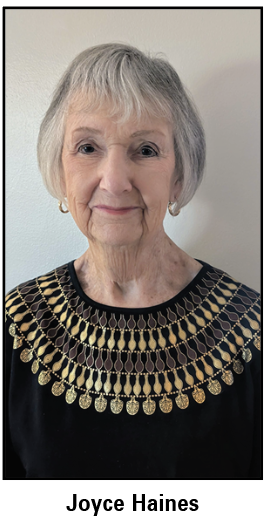
The sixth regular meeting of the 2025-2026 season of the Fredonia Shakespeare Club was hosted at the home of Susan Westling. President Karin S. Cockram welcomed Club members to the meeting.
After a brief business meeting concluded, a paper by Joyce Haines on the U.S. Japanese Internment Camps was presented.
This paper is about proud Americans wrongly oppressed who were denied the civil rights provided in the Constitution. When the Japanese bombed Pearl Harbor in 1941 and the U.S. joined WWII in 1942, President Franklin Delano Roosevelt signed the #9066 Order to relocate over 120,000 Japanese American citizens. This number included those who had migrated to the U.S. and the second generation who were born in this country.
This Order was due to widespread fear and racism leading to unfounded concerns about espionage and sabotage being spread by politicians and newspapers. It enabled authorized military officials to remove people of Japanese ancestry from their homes and businesses to be sent to relocation centers.
There were ten camps in remote areas of seven states: Arkansas, Arizona, California, Colorado, Idaho, Utah and Wyoming. These American citizens who had committed no crime were held in “prison” for three years without legal recourse. The camps had hundreds of barracks with no privacy or freedom. There were barbed wire fences with soldiers standing guard in towers. There were communal toilets, showers and mess halls. Temperatures were extreme and there was a lot of dust and wind.
Fred T. Korematsu disobeyed the order and was arrested but later sent to a camp. He tried to sue the United States for discrimination, but the Supreme Court voted 6 to 3 to dismiss the case. Robert H. Jackson, the Supreme Court Justice from Chautauqua County, was one of the dissenters citing evidence that was repressed.
At the end of the war, those who were released from the camps to return to California were given $25. For most, their homes and possessions were gone. Years later in 1988, Korematsu lobbied in Congress to pass the Civil Rights Act which was signed by President Reagan. This act gave a public apology and compensation of $20,000 to more than 82,000 Japanese Americans who were incarcerated that had been survivors at the time of the passing of the act.
One detainee, actor Pat Morita, who we may remember, was Mr. Myagi in “The Karate Kid.” Morita had spinal tuberculosis for seven years as a child and was in a full body cast. When he was discharged from the hospital at age 11, he was sent to Manzanar camp to join his parents. He said, “One day I was an invalid and the next day I was public enemy No.1!”
Another actor, George Tokai, who we recognize from Star Trek, was taken at the age of 4 with his family to a camp. He didn’t understand what was happening at the time but later in life realized the experience for his family and others was a degrading, humiliating, painful experience.
Today he is a leading activist advocating for civil rights.
Local/Region
Blaze damages city residence
Jamestown man faces sex trafficking, kidnapping, drug charges
U.S. Attorney Michael DiGiacomo announced Friday that a federal grand jury returned an indictment charging Edward ...
Dunkirk Secondary School lists honor, merit students
Dunkirk Secondary School has announced the honor and merit rolls for the first quarter. HONOR ROLL Seventh Grade ...
Area library events set for week
Library events for the coming week have been announced. For additional information, check the library’s web ...

Club hears report on internment camps
City gets grant for new software system
The city of Dunkirk has snagged a $412,115 grant for its new software system. The grant is part of the ...