River of ‘challenges’ Exhibit displays important ecology message
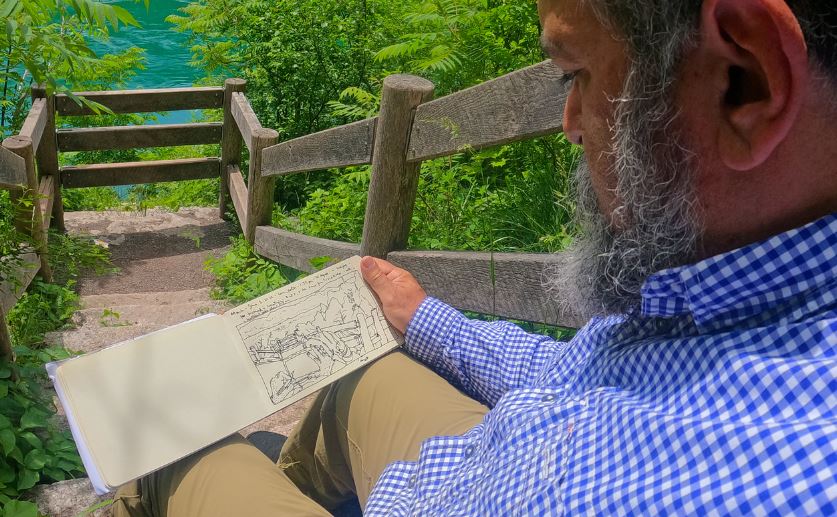
Provided Photos Pictured at top Fredonia artist, Alberto Rey, sketches, studies and shares his views of the Niagara River with concerns for ecology worldwide. Center, is a painting from Rey’s series on Biological Regionalism, entitled Fish-of-the-Niagara River. Alberto Rey invites viewer to join in concerns for pollution. Bottom, is the painting, Biological Regionalism: Water of the Niagara River, is one of several paintings to highlight a colorful alert with a message of environmental necessity for all to view at the Castellani Art Museum at Niagara University through Feb. 25.
-
- Provided Photos Pictured at top Fredonia artist, Alberto Rey, sketches, studies and shares his views of the Niagara River with concerns for ecology worldwide. Center, is a painting from Rey’s series on Biological Regionalism, entitled Fish-of-the-Niagara River. Alberto Rey invites viewer to join in concerns for pollution. Bottom, is the painting, Biological Regionalism: Water of the Niagara River, is one of several paintings to highlight a colorful alert with a message of environmental necessity for all to view at the Castellani Art Museum at Niagara University through Feb. 25.
-
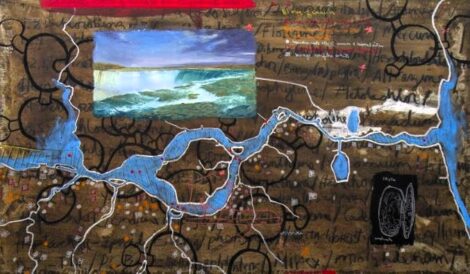
- Provided Photos Pictured at top Fredonia artist, Alberto Rey, sketches, studies and shares his views of the Niagara River with concerns for ecology worldwide. Center, is a painting from Rey’s series on Biological Regionalism, entitled Fish-of-the-Niagara River. Alberto Rey invites viewer to join in concerns for pollution. Bottom, is the painting, Biological Regionalism: Water of the Niagara River, is one of several paintings to highlight a colorful alert with a message of environmental necessity for all to view at the Castellani Art Museum at Niagara University through Feb. 25.
-
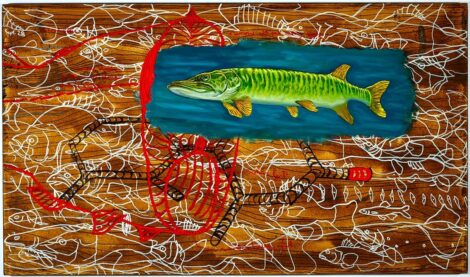
- Provided Photos Pictured at top Fredonia artist, Alberto Rey, sketches, studies and shares his views of the Niagara River with concerns for ecology worldwide. Center, is a painting from Rey’s series on Biological Regionalism, entitled Fish-of-the-Niagara River. Alberto Rey invites viewer to join in concerns for pollution. Bottom, is the painting, Biological Regionalism: Water of the Niagara River, is one of several paintings to highlight a colorful alert with a message of environmental necessity for all to view at the Castellani Art Museum at Niagara University through Feb. 25.
Rey calls attention to “Biological Regionalism” through his art displays, created for everyone in the world to realize without delay. He has documented his perception of change through personal study, collecting facts, and revitalizing the data of history and science by using vivid colors and stark contrast. The result is an art form of intriguing and unique visual insight displaying the importance of changing human relationships with natural waterways. His artwork provides a spotlight on how this avant-garde association from historical times to the modern day has had an unfavorable effect on the flora and fauna, locally and across the globe, that needs to be of concern to everyone.
Using large-scale paintings to simplify an urgent message of importance with emphasis for unrestrained pollution and historical lack of bother for change in water quality, Rey identifies the significance of the Niagara River in Western New York. His art shapes a measure of transformation over time. It explores the complexities of the Niagara River, past and present, also reflecting the historical significance of Native American culture and the Underground Railroad, and now, pollution, among the legacy factors of the region.
Rey says, “It is crucial to inform the public on the importance of our region in America’s cultural and natural heritage and the challenges that the Niagara River faces.”
As a widely recognized, world-renowned artist, Rey’s impressive artwork entitled “Biological Regionalism: Niagara River, Western New York” is currently on display through Feb. 25, occupying the entire main gallery at the Castellani Art Museum (www.castellaniartmuseum.org) of Niagara University. Admission there is always free.
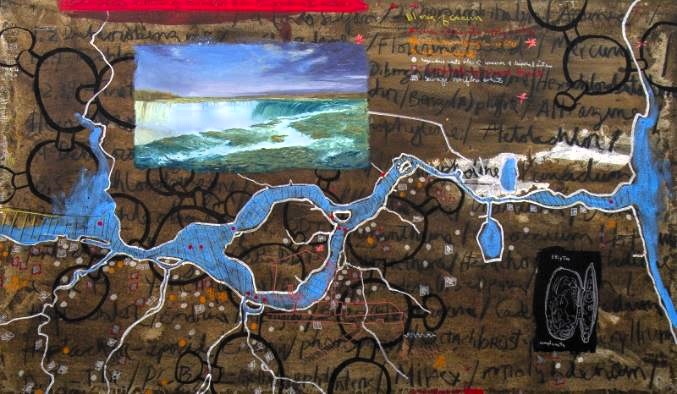
Provided Photos Pictured at top Fredonia artist, Alberto Rey, sketches, studies and shares his views of the Niagara River with concerns for ecology worldwide. Center, is a painting from Rey’s series on Biological Regionalism, entitled Fish-of-the-Niagara River. Alberto Rey invites viewer to join in concerns for pollution. Bottom, is the painting, Biological Regionalism: Water of the Niagara River, is one of several paintings to highlight a colorful alert with a message of environmental necessity for all to view at the Castellani Art Museum at Niagara University through Feb. 25.
Among his colorful art, Rey provides lushly explicit documentary supplements for the unique attributes of the Niagara River and the Niagara Gorge, including the fish and their concerning levels of contaminants that affect safety for human consumption.
Each personalized painting explores facets of the Niagara River’s rich history and the challenges it faces. Rey’s “Biological Regionalism” represents his 40 years of work, guided through what he has termed “a devotional painting approach.”
With true passion, Rey provides worded details under each of his large-scale paintings that he feels the public ought to be alerted to. Many agree in the interest of human safety. For example, in one painting that depicts a colorful large fish in the foreground and the artistic conception of the atomic chemical bond symbols of contaminants from the Niagara River in the background, Rey says, “The Niagara River is a sport fishing destination that draws anglers from around the world to fish. The lower Niagara River today is well known for its Chinook salmon, steelhead (rainbow trout), walleye, lake trout, brown trout, smallmouth bass, largemouth bass, muskellunge, yellow perch, smelt, and other species.
Unfortunately, however, the fish also live in a mixture of toxins that have accumulated since the 1800s. As the river flows from Lake Erie to Lake Ontario, it collects toxins and sewage, so that the lower Niagara is more toxic than the upper section. Although cleanup efforts by Canadian and American governments, businesses, and environmental organizations have significantly improved water quality since the late 1980s, there are still enough contaminants to make eating many fish species from these waters unsafe. The New York State Department of Health has made recommendations limiting consumption of some of these species due to the high levels of banned toxins such as PCBs/Dioxins (by-product from thermal and industrial processes) and Mirex (commercial insecticide) in the river.”
Later, below a particularly large painting, Rey precisely identifies the specific toxins and pollutants found in the fish as provided by scientifically conducted tests from various agencies.
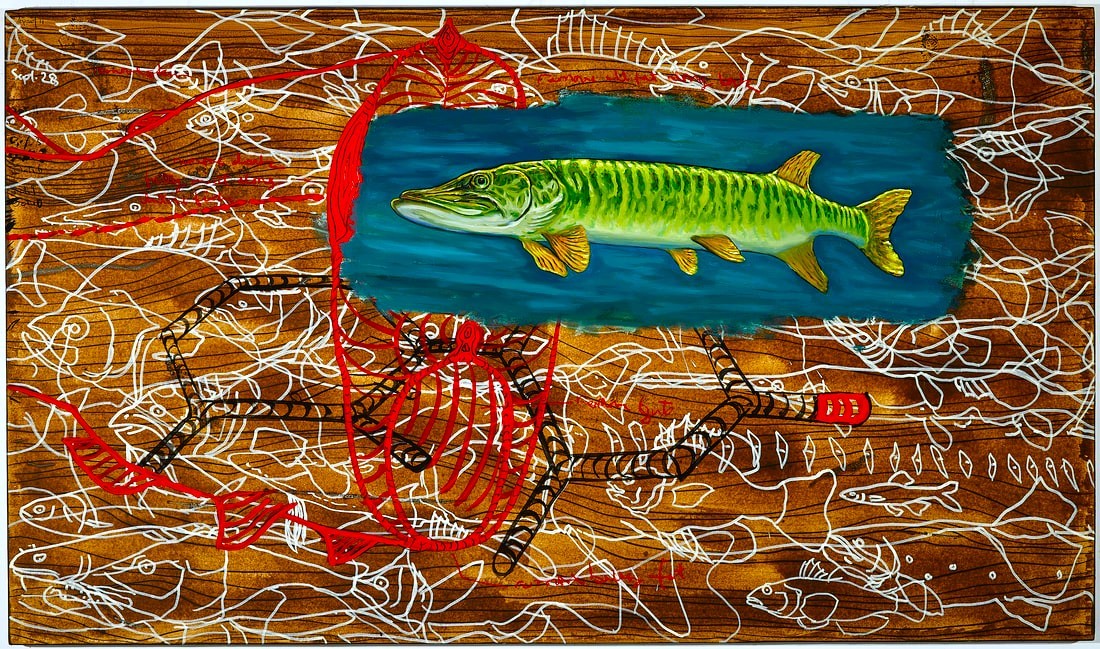
Provided Photos Pictured at top Fredonia artist, Alberto Rey, sketches, studies and shares his views of the Niagara River with concerns for ecology worldwide. Center, is a painting from Rey’s series on Biological Regionalism, entitled Fish-of-the-Niagara River. Alberto Rey invites viewer to join in concerns for pollution. Bottom, is the painting, Biological Regionalism: Water of the Niagara River, is one of several paintings to highlight a colorful alert with a message of environmental necessity for all to view at the Castellani Art Museum at Niagara University through Feb. 25.
The public can also view Rey’s paintings that are on exhibit at the Meibohm Fine Arts Center located at 478 Main St. in East Aurora, www.meibohmfinearts.com.
TOP STORIES

Local officials react to announcement
30th annual Laurel Run set for July 17, 18 in Silver Creek
SILVER CREEK — Never has a request been made to the Silver Creek Village Board that was easier for its members to ...
Hotel attorney responds to threat
The lawyer for the motel targeted for shutdown by Fredonia Mayor Michael Ferguson has offered a lengthy ...

Bush Industries to close its doors
Candidates have no solutions for state despair