Tiny ticks, big trouble
-
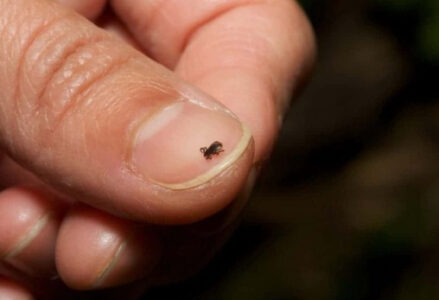
- Photo courtesy of TickSafety.com Deer ticks are small, and attach painlessly to people, often without being noticed. The best defense against Lyme disease is prevention. Use EPA-approved repellents like DEET or Permethrin for external clothes and boots, and Picaridin for exposed skin.
-
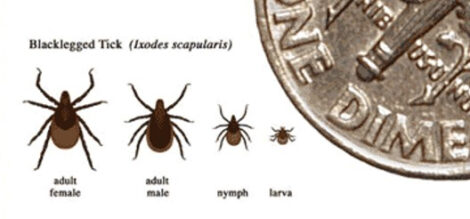
- Photo courtesy of the CDC The life span of a deer tick is about two years and they develop through three stages: larva, nymph and adult. Their bite is painless and often is unnoticed, but they can carry Lyme disease.
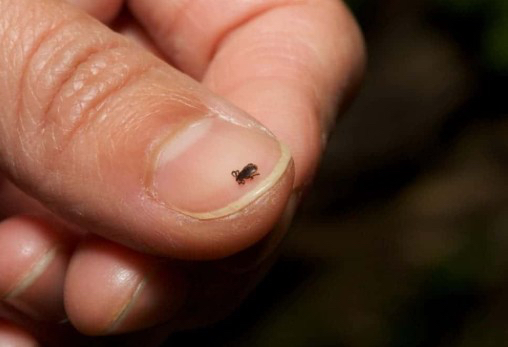
Photo courtesy of TickSafety.com Deer ticks are small, and attach painlessly to people, often without being noticed. The best defense against Lyme disease is prevention. Use EPA-approved repellents like DEET or Permethrin for external clothes and boots, and Picaridin for exposed skin.
In Western New York, deer season is over, the venison is processed and stored, deer camps are quiet, and many hunters turn their attention to ice fishing, winter hiking, or planning next year’s outdoor pursuits.
But while we hang up our orange vests, a much smaller woodland resident remains active and growing in number. Deer ticks, also known as blacklegged ticks (Ixodes scapularis), are firmly established across Western New York. These tiny parasites, in their early stages, are often no larger than a poppy seed on your breakfast sandwich, but they pose a serious health risk because of their ability to transmit Lyme disease.
Deer ticks thrive in wooded, brushy and grassy habitats, exactly where hunters, hikers, trappers, campers, dog walkers and outdoor workers spend their time. Milder winters, abundant deer and high populations of white-footed mice have created ideal conditions for ticks to survive and spread. White-footed mice play a major role because they are the primary carriers of the Lyme-causing bacterium (Borrelia burgdorferi).
When young ticks feed on infected mice, they acquire the bacteria and later can transmit it to humans or animals with their painless bite.
While Lyme disease case rates vary widely county to county across New York state, tens of thousands of cases have been reported statewide in recent years. In 2022, more than 16,000 Lyme cases were officially recorded across New York, making it one of the states with the highest totals in the nation. In Western New York specifically, health department records from Erie County show that deer ticks have been a consistent presence: of 1,297 ticks identified in past surveillance, about 33% were deer ticks; an indication that the vector is firmly established locally. In Chautauqua County, surveillance from recent years found that in some areas, over half of tested ticks carried the Lyme bacteria, with infection rates in ticks estimated as high as 54% in certain areas. Statewide tick surveillance also shows that, on average, roughly 27% of nymph deer ticks and over 50% of adult deer ticks carry the Lyme bacterium, depending on region and year, a reminder that exposure risk in wooded and grassy areas requires awareness and preparation.
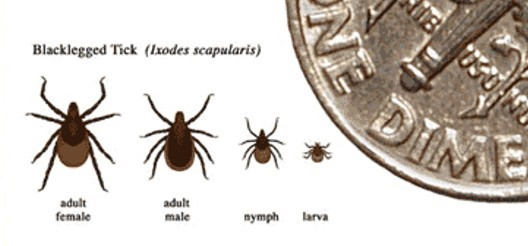
Photo courtesy of the CDC The life span of a deer tick is about two years and they develop through three stages: larva, nymph and adult. Their bite is painless and often is unnoticed, but they can carry Lyme disease.
The life span of a deer tick is about two years and they develop through three stages: larva, nymph and adult. Each stage requires a blood meal. Nymphs are active in late spring and summer and are responsible for most human Lyme infections because they are tiny and often go unnoticed. The adult ticks are active in fall and early spring and are larger, and still can transmit Lyme disease. Ticks attach painlessly, feed for hours or days, and then drop off, often without being noticed.
Lyme disease symptoms can appear days, weeks or even months after a bite. Early signs may include fatigue, fever, headache, muscle aches and joint pain. Some people develop a bull’s-eye rash, a sure indicator of Lyme infection, but about two-thirds of those bit never do. So how are you feeling after hunting season this year? If untreated, Lyme disease can affect the joints, nervous system and heart. It is often called a “great imitator” because its symptoms can resemble nearly 300 other medical conditions and is why it is often misdiagnosed.
See a doctor if you experience flu-like symptoms within days to weeks of a bite, including fever or chills, fatigue or weakness, persistent headache, muscle or joint aches or swelling — particularly in the knees; facial drooping, numbness, or tingling; or swollen lymph nodes. Ongoing symptoms can include heart palpitations, chest pain, dizziness, shortness of breath, confusion and more. Do not wait for symptoms to worsen. Early treatment is far more effective. A negative blood test early on does not always rule out Lyme disease, as antibodies may take time to develop. Trust your instincts. If something “just doesn’t feel right” after a tick bite, it’s worth a medical evaluation. Lyme disease can be subtle in its early stages, early action can prevent long-term complications.
Diagnosing Lyme disease is not always straightforward. Several types of blood tests are commonly used: the ELISA (Enzyme-Linked Immunosorbent Assay) is often the first test; detects antibodies but may miss early infections. The Western Blot test is typically used to confirm a positive ELISA by identifying specific Lyme antibodies. The PCR (Polymerase Chain Reaction) test detects bacterial DNA; useful in certain circumstances. Then there are Specialty Tick-Borne Panels from advanced labs that offer expanded testing for Lyme and related pathogens. One specialty lab that I have used and is used nationwide is IGENEX (Igenex.com), known for advanced tick-borne disease diagnostics.
So what if you have it, what now? Is Lyme disease curable? Lyme disease is treatable, especially when diagnosed early. Most people recover fully with appropriate antibiotic therapy. However, delayed or incomplete treatment can lead to persistent symptoms in some individuals. Early recognition is key.
If you find a tick attached to your skin, use fine-tipped tweezers. Grasp the tick close to the skin and then pull straight out steadily — do not twist. Clean the area with soap and water or alcohol. Capture the tick and send it out for identification and pathogen testing as follows: Place the tick in a sealed container or zip-top bag with a paper towel. Label it with the date and location of exposure. There are private tick-testing labs, such as Tick-Check or IGENEX (small fees do apply).
The best defense against Lyme disease is prevention. Wear long sleeves, long pants, and light-colored clothing. Use EPA-approved repellents like DEET or Permethrin for your external clothes and boots, and Picaridin for your exposed skin. Perform thorough body checks after outdoor activities. Shower soon after being outdoors. Protect pets with veterinarian-recommended tick preventatives.
Stay informed and stay active. Western New York’s forests, fields, water and backyard gardens are central to our outdoor traditions. Awareness of deer ticks shouldn’t keep anyone indoors, but it should encourage smarter habits. A few minutes of prevention and attention can help ensure that the memories you bring home from the woods are good ones, not lifelong health challenges. All of these details are important to understand. I’m certainly not a medical expert, but I’ve had experience with Lyme disease three times, so I thought to share the details of this column.
It’s been a few weeks to a few months after deer season, depending when you hunted, about now is the time the symptoms of soreness and the other symptoms described earlier might become noticeable. If in doubt, see your doctor and go online to check out CDC, Igenex and other learning centers. Note that while deer ticks can live on a deer, deer do not get infected with Lyme disease. Maybe a bit more medical research there can help the experts find a cure.
Gotta love the outdoors.
CALENDAR
Jan. 20: WNY Environmental Federation, quarterly meeting, Knights of Columbus, 36 Pierce Ave., Hamburg, open to the public. Free. 6 p.m. start.
Jan. 20: Children in the Stream, youth fly fishing program, free, Costello Room, Rockefeller Art Center, SUNY Fredonia, 7-8:30 p.m., 12 years old and older, info: 716-410-7003 (Alberto Rey).
Jan. 21: Erie County Fish Advisory Board, monthly meeting, Bison City R&G, 511 Ohio St., open to the public. 7 p.m. start.
Jan. 22: Erie County Federation of Sportsmen, monthly meeting, Elma Con Club, 600 Creek Road, Elma, 7 p.m. start.
Jan. 31 to Feb. 1: NY Musky Expo, Chautauqua Harbor Hotel, Celoron, small admission, children under 12 are free, Info: Katia Rivers, 585-668-2550.
Feb. 1: Lakewood Rod and Gun Club, Winterfest Banquet & Drawing, dinner, 3 p.m. Music by “Ion Sky” 2-6 p.m. Info: 716-763-3955.
Local Sports
Tiny ticks, big trouble

Banged-up Bills head to Denver

Wire to wire

Surging Sabres bringing back memories of success from 20 years ago
Buckley hits five 3s for Fredonia
FALCONER — Isabella Buckley had 19 points, including five 3-pointers, to lead Fredonia past Falconer 57-40 in ...