
Federal cuts spill into lake monitoring
Trending
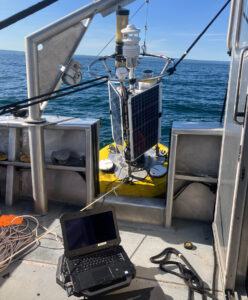
Each summer in the eastern basin of Lake Erie, a quiet but essential piece of technology is deployed about six miles offshore from Dunkirk Harbor. Known as BSU1, the Dunkirk Buoy, this Great Lakes Observing System (GLOS) station sits anchored in 90 feet of water, delivering a steady stream of real-time data that anglers, boaters, scientists, and water managers rely on every day. Emphasize anglers.
This year, its future and the future of similar systems across the country is uncertain. The Dunkirk buoy is more than just a floating instrument. Installed, monitored, removed, and maintained annually by the Great Lakes Center at Buffalo State University, it provides critical information including water temperature, water quality, air temperature, wind speed and direction, wave height, and wave patterns. These data are made freely available to the public through the GLOS data portal offering anyone a real-time window into Lake Erie's conditions (https://seagull.glos.org/data-console/160).
Operational support comes through grants via GLOS, with on-the-water assistance from the NYSDEC Lake Erie Fisheries Research Unit aboard the vessel ARGO. Together, these teams ensure that the buoy remains a reliable source of information throughout the boating season.
For many here in Western New York, the value of this system is personal. Local anglers depend on the buoy to make informed decisions before heading out. It can mean the difference between a successful day on the water and a dangerous one. Charter captains, like those operating out of Dunkirk Harbor, routinely check buoy data to track wind shifts, wave conditions, and temperature breaks that influence fish behavior.
Beyond recreation, the buoy serves a much broader purpose. GLOS is part of the Integrated Ocean Observing System (IOOS), a nationwide network that underpins safe navigation, supports commercial shipping, informs coastal resilience efforts, and aids water treatment facilities in monitoring lake health. The data collected help identify trends such as harmful algal blooms, hypoxia, and changing water levels--issues that directly impact ecosystems, economies, and public health.
Now, that entire system is at risk. The President's proposed Fiscal Year 2027 budget includes the elimination of IOOS Regional Observations -- the backbone of systems like GLOS. If enacted, the cuts would significantly disrupt data collection efforts across the Great Lakes, including the Dunkirk buoy. The consequences could be immediate and far-reaching. Without real-time observations, boaters and anglers would lose a critical safety tool. Shipping operations would face increased uncertainty. Water treatment managers would have fewer resources to track and respond to changes in lake conditions. Tourism and coastal economies could also feel the impact. In short, losing IOOS funding would mean losing the data that help keep Lake Erie safe, productive, and understood.
There is precedent for action. Just last year, a similar proposal to defund IOOS was rejected by Congress on a bipartisan basis. In fact, lawmakers ultimately increased funding for IOOS Regional Observations in the final appropriations bill. That outcome was driven in part by public outreach--letters and advocacy from stakeholders who understood the system's importance. We need to once again ask concerned citizens to speak up.
Those who rely on Lake Erie--whether for recreation, business, or research--are encouraged to contact their Congressional representatives and voice support for continued IOOS funding. More information, including how to take action, can be found at https://ioosassociation.org/how-you-can-help-ioos/.
The Dunkirk buoy may be just one station in a vast network, but its impact is felt across an entire region. As budget decisions loom, its fate serves as a reminder that even the smallest signals can carry enormous weight, especially when they help keep a Great Lake safe and thriving.