
Just getting started
Eastern Lake Erie delivers world-class summer fishing
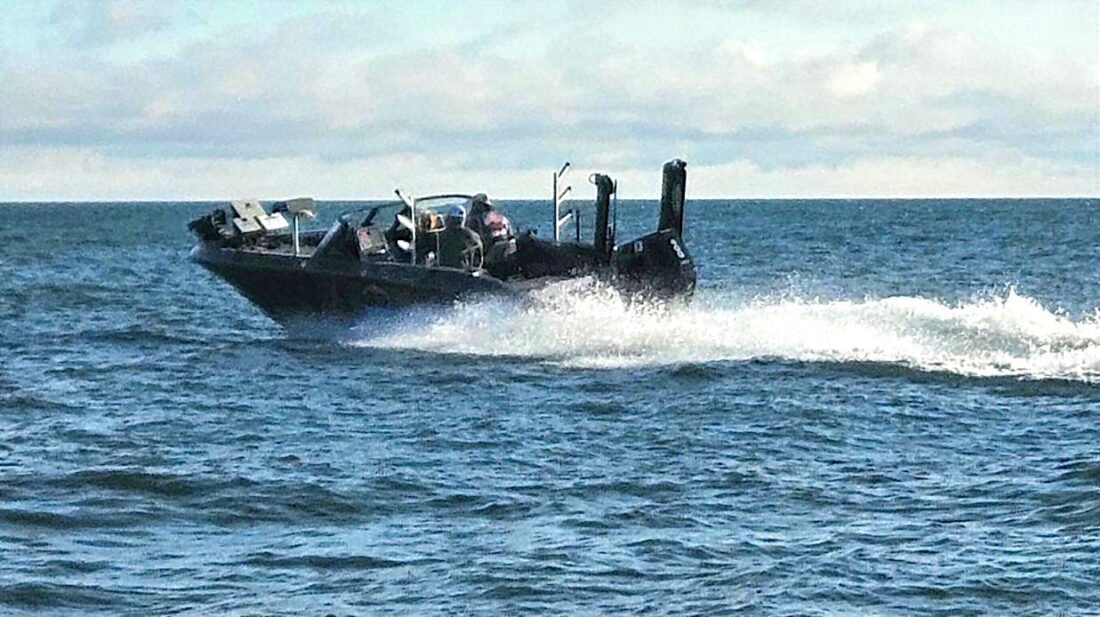
Photo by Forrest Fisher Modern fishing boats are equipped with trolling rod trees, down sonar and, in some cases, forward facing sonar (note the visual monitors on the bow), to provide every advantage to fishing and then catching the fish. It’s a big lake!
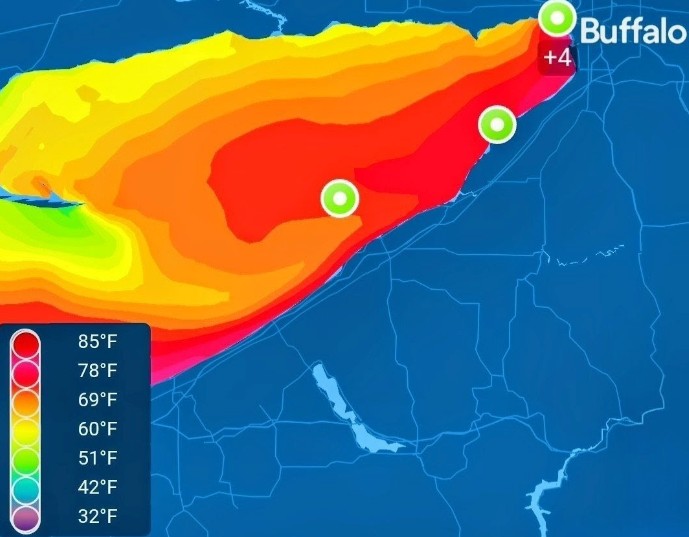
Illustration Provided by GLOS
Photo by Forrest Fisher Modern fishing boats are equipped with trolling rod trees, down sonar and, in some cases, forward facing sonar (note the visual monitors on the bow), to provide every advantage to fishing and then catching the fish. It’s a big lake!
Illustration Provided by GLOS
Trending
While Western New York has currently endured some of its highest heat index readings in recent years, anglers on eastern Lake Erie are enjoying some of the hottest fishing the region has seen in decades. Between Sturgeon Point and Barcelona, New York, summer has created ideal conditions for trophy walleye, world-class smallmouth bass and award-winning cold-water lake trout that often reach 25 pounds (and more).
Walleye remain the undisputed favorite among visiting anglers. They’re not only abundant -- they’re one of the finest tasting freshwater fish available. Fisheries biologists estimate Lake Erie supports well over 100 million walleye, and the eastern basin walleye populations continue to grow.
As summer warms the lake’s shallower western basin into the 85-plus degree mark, massive schools of walleye migrate west to east toward the deeper, cooler waters stretching between Long Point, Ontario, and the Dunkirk-Barcelona shoreline. Many of the lake’s largest fish are now concentrated in this deep-water corridor, providing exceptional opportunities for anglers. Spinner/worm tactics are paramount and easy for all trolling anglers to rig, but stickbaits work too. Casters using forward facing sonar tactics fool their limits of walleye with jig rigs that can feature plastic tails or live bait.
Smallmouth bass fishing is equally impressive. Rocky structure, reefs and shoals from Sturgeon Point to Barcelona continue to produce heavyweight bronzebacks that attract anglers from across North America. NED rigs, tube jigs, while live bait such as crabs and minnows work for them. Lake trout, meanwhile, patrol the cold depths below the thermocline and offer fast action for anglers targeting deep water, with flashy spoons trailed behind a downrigger ball will entice these fish.
It's a big lake. Understanding where these fish hang out begins with understanding water temperature. All fish are cold-blooded, so they naturally seek water that matches their preferred temperature range. Walleye and smallmouth bass generally hold in cool water around the thermocline--the transition zone separating warm surface water from the colder depths. Lake trout stay even deeper in the coldest water beneath that layer.
Fortunately, anglers don’t have to guess.
One of the most valuable free fishing tools on Lake Erie is the Great Lakes Observing System (GLOS) buoy anchored approximately seven miles off Dunkirk in about 90 feet of water. Operated through a partnership that includes Buffalo State University, the buoy continuously measures wind speed, wave conditions and water temperatures every two meters (about six feet) from surface to bottom.
Those temperature readings reveal exactly where the thermocline has formed, allowing anglers to quickly identify the most productive water before leaving the dock. Combined with real-time wind and wave forecasts, the buoy has become an indispensable planning tool for both recreational anglers and charter captains.
Reports from across the eastern basin include frequent limit catches of walleye, along with outstanding numbers of quality bass and lake trout. For newcomers, hiring a charter captain can shorten the learning curve considerably. Experienced captains know how to interpret water conditions, locate active schools and adjust presentations throughout the day. Charter rates generally range from $400 to $800 depending on boat size and group size, making the trip an excellent value when equipment, fuel and local knowledge are considered. The link to find the right charter boat captain for you is https://comefishlakeerie.com/homepage/. This site lists the home port, boat size, captain, and many other details.
Before heading out, anglers should check the latest conditions from the GLOS Dunkirk buoy for wind, waves and water temperatures. That information often provides the final piece of the puzzle that turns a good day into a memorable one. Visit https://seagull.glos.org/data-console/160.
Whether you’re searching for trophy walleye, battling hard-fighting smallmouth bass or probing the depths for lake trout, eastern Lake Erie is delivering some of the finest midsummer fishing on the continent. With fish concentrated in deep water and technology making them easier to locate than ever before, there’s no better time to experience the remarkable fishery along Sturgeon Point, Sunset Bay, Dunkirk and Barcelona.
Before heading out, anglers can check the latest conditions from the Great Lakes Observing System (GLOS) Dunkirk buoy for wind, waves and water temperatures. Visit https://seagull.glos.org/data-console/160.