
Spring awakening: Be ‘bear-wise’ in WNY
Trending
As winter loosens its grip across Western New York, a quieter kind of seasonal shift has started deep in the forests of Chautauqua, Cattaraugus, and Allegany counties. Black bears, after months of hibernation, are waking up. Groggy but driven, they emerge into the early days of spring with one thing on their minds: food. They're hungry.
This annual reawakening is a sign of something encouraging. The growing black bear population in these regions reflects a healthier, more balanced ecosystem. Cleaner waterways, improving forest habitats, and a broader commitment to environmental stewardship are all playing a role. In short, when bears thrive, it's often because nature as a whole is doing better. Hats off to everyone!
That said, when it comes to bear, spring is also when human awareness matters most. Bears come out of hibernation with significantly depleted fat reserves. Adult males are usually first, sometimes having lost up to 30 percent of their body weight. Females with cubs follow later, often in even greater need of calories. During this time, bears will search widely for easy food sources that can include human-related items if they're accessible.
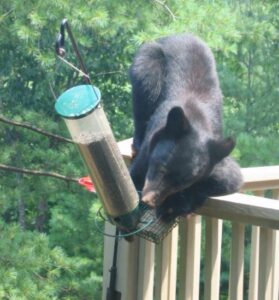
The good news is that a few simple habits can make a big difference in keeping both people and bears safe. The NYSDEC shares that early spring is the perfect time to reset and "Be Bear-Wise." If you feed birds in winter, consider taking down feeders and cleaning up any leftover seed. Natural food sources are abundant enough for birds this time of year, and removing feeders helps eliminate a major attractant for bears.
Garbage management is another key step. Store trash in secure containers and, if possible, inside a sturdy building until pickup day. Bears have an incredible sense of smell and will return repeatedly to places where they have found food before. Outdoor cooking areas deserve special attention. Grills should be cleaned thoroughly to remove grease and food residue, and pet food should always be kept indoors. Even small amounts can draw a curious bear closer to your home. For those with backyard chickens or beehives, adding an electric fence can be a worthwhile investment. It's a humane and effective way to protect animals and discourage unwanted wildlife visits.
These actions aren't about fear, they're about coexistence. When bears don't become accustomed to human food, they're more likely to remain wary of people, which keeps everyone safer. It also helps prevent situations where bears may need to be relocated or euthanized due to repeated conflicts.
If you're out hiking or enjoying the region this spring and happen to spot a bear, or even capture one on a trail camera, you can contribute to ongoing research efforts tracking bear activity and den emergence. It's a meaningful way to be part of the region's environmental story. Tell the DEC.
At a broader level, the return and growth of black bear populations remind us that conservation efforts matter. Cleaner air, reduced pollution, and responsible land use don't just benefit wildlife, they enhance quality of life for entire communities.
Spring in western New York is a season of renewal. By taking a few thoughtful precautions and encouraging neighbors to do the same, residents and visitors alike can help ensure that this renewal includes both people and wildlife thriving side by side. A healthy bear population isn't just a sign of wildness, it's a sign we're doing something right. For more information, please visit DEC's "Be BearWise" webpage and BearWise.org.
Gotta love the outdoors.
CALENDAR
April 21: Children in the Stream, Youth Fly Fishing program, free, Costello Room, Rockefeller Art Center, SUNY Fredonia, 7-8:30 p.m., 12 years old and older, info: 716-410-7003 (Alberto Rey).
April 23: State of Lake Erie, DEC public meeting, 6-9:30 p.m., Woodlawn Beach State Park, Blasdell, NY.
April 25-26: NYS Youth Turkey hunting Weekend, for youth hunters 12-15 years of age with licensed mentor adult; hunting hours are ½ hour before sunrise through noon. Visit dec.ny.gov.
Submit calendar items to forrestfisher35@yahoo.com at least 10 days in advance.